

Are you worried about keeping your small pets healthy and happy? Small pets, like hamsters, guinea pigs, and rabbits, require special care to thrive in our homes. Many pet owners face the problem of not knowing how to provide the best environment and diet for their furry friends, leading to potential health issues and unhappiness.
But fear not! With the right knowledge and proper care, you can ensure your small pets live their best lives. From creating a stimulating habitat to offering a balanced diet and regular exercise, there are simple solutions to keep your small pets healthy and happy. Let’s explore practical tips and tricks to make your little companions wag their tails with joy!
Choosing the Right Small Pet
When choosing a small pet, it is essential to consider factors such as your living space, time commitment, and lifestyle. Different small pets have varying needs and characteristics, so it is crucial to select one that aligns with your preferences and capabilities. Research different species to understand their behavior, diet, exercise requirements, and social needs.
Consider your schedule and availability for daily care, grooming, and interaction with your pet. Some small pets, like hamsters or guinea pigs, are nocturnal and may not be suitable for individuals who are active during the day. Others, such as rabbits or birds, require regular socialization and mental stimulation to thrive. Evaluate your budget for initial setup costs, ongoing expenses for food and supplies, as well as potential veterinary care. Remember that small pets can live several years, so be prepared for a long-term commitment when making your decision.
Proper Nutrition for Small Pets
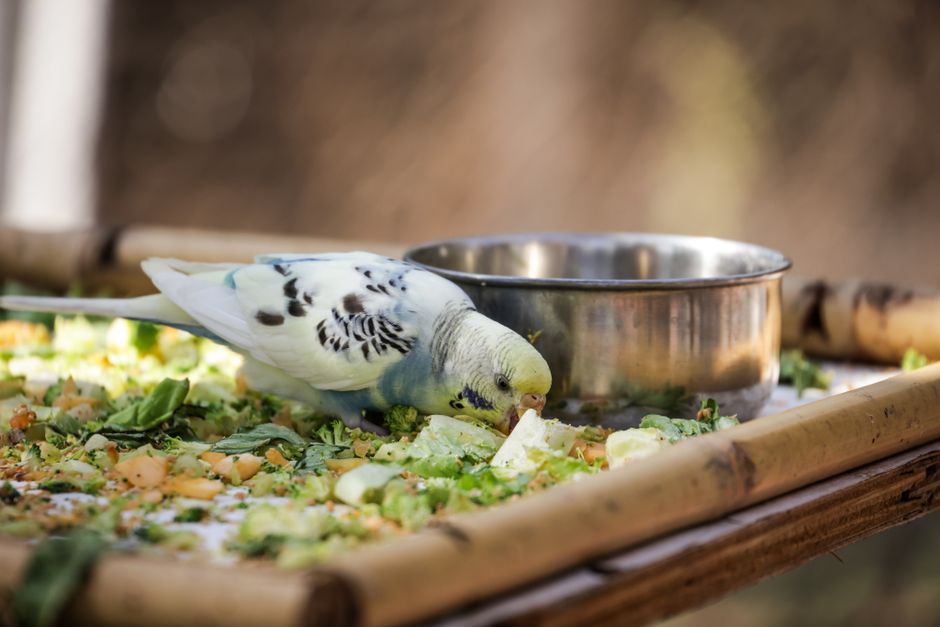
Understanding the dietary needs of small pets is crucial for their overall health and well-being. Different small animal species have varying nutritional requirements, so it is essential to research and provide a balanced diet specific to your pet’s species. A good starting point is to offer a high-quality commercial pellet or seed mix formulated for your pet’s species, as these products are designed to meet their basic nutritional needs.
Additionally, fresh fruits and vegetables can be excellent supplements to your small pet’s diet. However, it’s important to introduce new foods gradually to avoid digestive upset. Avoid giving your small pet foods that are high in sugar, fat, or salt, as these can lead to obesity and other health issues. Always ensure your pet has access to fresh, clean water at all times to prevent dehydration.
Exercise and Enrichment for Small Pets
Exercise
Small pets, like rabbits, guinea pigs, and hamsters, require regular exercise to stay healthy and happy. Providing them with a spacious cage or enclosure is essential for allowing them to move around and stretch their muscles. Additionally, setting up a safe play area outside their cage where they can explore and exercise under supervision is highly beneficial. Interactive toys such as exercise wheels, tunnels, and climbing structures can also help keep small pets active and engaged.
Enrichment
Enrichment activities are crucial for the mental well-being of small pets. These activities stimulate their natural behaviors, prevent boredom, and promote overall health. Simple enrichment ideas include hiding treats in toys for them to forage, providing chew toys to keep their teeth healthy, and rotating their environment to keep things interesting. Puzzle feeders and tunnels can also provide mental stimulation and encourage natural instincts. Regularly changing and adding enrichment items will keep small pets engaged and content.
Grooming and Hygiene Tips
Grooming is an essential aspect of caring for small pets. Regular grooming helps maintain their overall health and well-being. For small mammals like rabbits and guinea pigs, grooming includes brushing their fur to prevent matting and checking their nails for overgrowth. Small rodents like hamsters and gerbils may require dust baths to keep their fur clean and healthy. It’s important to research the specific grooming needs of your small pet to ensure you are providing proper care.
Hygiene is crucial in preventing health issues in small pets. Regularly clean your pet’s living area, including cages, bedding, and accessories. Provide fresh water daily and monitor their food for any signs of spoilage or contamination. Additionally, be mindful of any unusual odors, discharge, or changes in behavior that may indicate a health issue. By maintaining good hygiene practices and staying attentive to your pet’s grooming needs, you can help keep them happy and healthy.
Common Health Issues in Small Pets
Respiratory Problems: Small pets, such as rabbits and guinea pigs, are prone to respiratory issues like pneumonia and upper respiratory infections. These can be caused by poor ventilation, drafts, or exposure to harmful chemicals. Symptoms include sneezing, coughing, nasal discharge, and difficulty breathing. Prompt veterinary care is essential to prevent complications.
Dental Issues: Dental problems are common in small pets with continuously growing teeth, such as rabbits and rodents. Overgrown teeth, malocclusion, and dental abscesses can lead to pain, difficulty eating, and weight loss. Regular dental check-ups, appropriate chew toys, and a balanced diet can help prevent dental issues in small pets.
Summary: In conclusion, caring for small pets requires dedication, knowledge, and a commitment to meeting their unique needs. By choosing the right pet, providing proper nutrition, engaging in regular exercise and enrichment activities, maintaining grooming and hygiene practices, and monitoring for common health issues, you can ensure a happy and healthy life for your small companion.
Final Thoughts: Remember that each small pet is a living being that relies on you for its well-being. Take the time to research and understand your pet’s specific requirements, seek veterinary care when needed, and always prioritize their health and happiness. With proper care and attention, your small pet can bring joy and companionship into your life for years to come.