
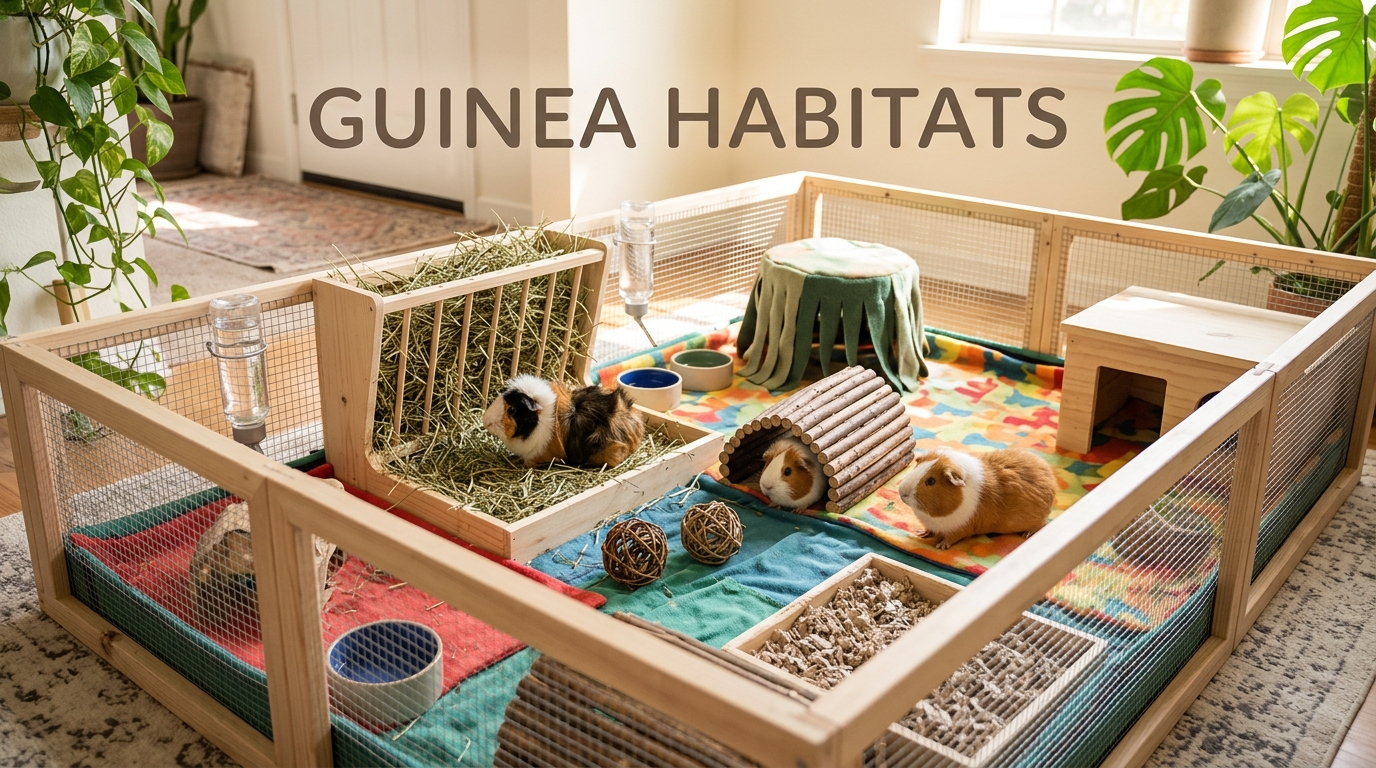
If you’re struggling to figure out how to care for your new hamster, you’re not alone. Many new pet owners find themselves feeling overwhelmed and unsure of where to start when it comes to providing the best care for their furry friend. The good news is that with a few simple steps, you can ensure that your hamster stays happy and healthy for years to come.
From setting up the perfect habitat to providing a balanced diet and regular exercise, this guide will walk you through all the essential tips and tricks you need to know to be a responsible hamster owner. Say goodbye to confusion and hello to confidence as you learn the ins and outs of hamster care. Get ready to create a loving and enriching environment for your new pet that will keep them thriving and content.
Choosing the right cage for your hamster
When selecting a cage for your hamster, it is essential to consider the size, material, and features to ensure your pet’s comfort and safety. The cage should be spacious enough to allow your hamster to move around freely and engage in natural behaviors like burrowing and climbing. A wire cage with a solid bottom is a popular choice as it provides good ventilation and allows for hanging toys and accessories.
It is crucial to avoid cages with wire floors as they can cause injury to your hamster’s feet. Opt for a cage with a secure door that can be easily opened for cleaning and feeding. Additionally, consider the ease of maintenance and accessibility to ensure a hygienic environment for your hamster. Providing a cozy nesting area, exercise wheel, and chew toys will help create a stimulating and enriching environment for your furry friend.
Proper diet and nutrition for your hamster
Hamsters require a balanced diet to stay healthy and active. It is essential to provide them with a combination of commercial hamster food, fresh fruits, and vegetables. The majority of their diet should consist of a high-quality hamster food mix that includes seeds, grains, and pellets. Make sure to check the label to ensure it meets their nutritional needs.
In addition to their main diet, you can offer your hamster small portions of fresh fruits and vegetables as treats. Foods like carrots, apples, and broccoli can be excellent choices, but always introduce new foods gradually to avoid upsetting their stomach. Remember to remove any uneaten fresh foods to prevent spoilage and bacterial growth in their cage.
Handling and socializing with your hamster
Handling your hamster: When handling your hamster, it’s crucial to do so gently and carefully to avoid causing stress or injury. Always approach your hamster calmly and let them sniff your hand before attempting to pick them up. Support their body with both hands to prevent them from falling and handle them close to the ground or a soft surface in case they jump. Avoid sudden movements and loud noises that could startle them.
Socializing with your hamster: Hamsters are naturally solitary animals, but they can still benefit from social interaction with their owners. Spend time near their cage talking to them softly and offering treats to build trust. Allow your hamster to explore and interact with you on their terms, respecting their boundaries and not forcing interaction. Regular, gentle handling can help your hamster become more comfortable with human contact over time.
Maintaining the health and hygiene of your hamster
Regular Cage Cleaning: Keeping your hamster’s cage clean is essential for maintaining its health and hygiene. Remove any uneaten food, soiled bedding, and waste daily. Clean the cage with a pet-safe disinfectant at least once a week to prevent the buildup of bacteria and odors.
Grooming: Hamsters are self-groomers, but you can help by providing a sand bath for them to roll around in. This helps keep their fur clean and prevents oil buildup. Additionally, check your hamster’s nails regularly and trim them if they get too long to prevent injury.
Providing Mental Stimulation and Exercise for Your Hamster
Mental stimulation and exercise are essential for keeping your hamster happy and healthy. Hamsters are naturally curious and active animals, so it’s important to provide them with opportunities to exercise both their bodies and minds. One way to do this is by providing a variety of toys and activities in their cage. Hamster wheels, tunnels, and chew toys are great options to keep your hamster physically active and mentally engaged.
Additionally, you can create a stimulating environment by regularly changing their cage layout, adding new hiding spots, or introducing puzzle feeders. These activities will not only prevent boredom but also help reduce stress and promote mental well-being. It’s crucial to ensure that your hamster has enough space to move around and explore, as lack of stimulation can lead to behavioral issues and health problems. By incorporating mental stimulation and exercise into your hamster’s daily routine, you can help them lead a happy and enriched life.
Common Health Issues and How to Address Them
Respiratory Infections: Hamsters are prone to respiratory infections, which can manifest through symptoms like labored breathing, sneezing, and nasal discharge. It is crucial to consult a veterinarian promptly if you suspect your hamster has a respiratory infection. The vet may prescribe antibiotics or other medications to treat the infection. Ensure your hamster’s living environment is clean and well-ventilated to prevent future respiratory issues.
Wet Tail: Wet tail is a severe condition that primarily affects young hamsters and is characterized by diarrhea, a wet tail area, lethargy, and a hunched posture. Immediate veterinary attention is necessary as wet tail can be fatal if left untreated. Treatment typically involves antibiotics and supportive care. To prevent wet tail, maintain good hygiene in your hamster’s cage, provide a balanced diet, and minimize stress.