
Are you struggling to care for your hedgehog properly? Many new hedgehog owners face challenges in providing the right care for these adorable pets. From maintaining their habitat to ensuring their diet is well-balanced, it can be overwhelming to meet all their needs.
But fret not! In this guide, we’ll walk you through the essential steps to care for a hedgehog effectively. With our expert tips and practical advice, you’ll learn everything you need to know to keep your spikey friend happy and healthy. Say goodbye to confusion and hello to confident hedgehog care!
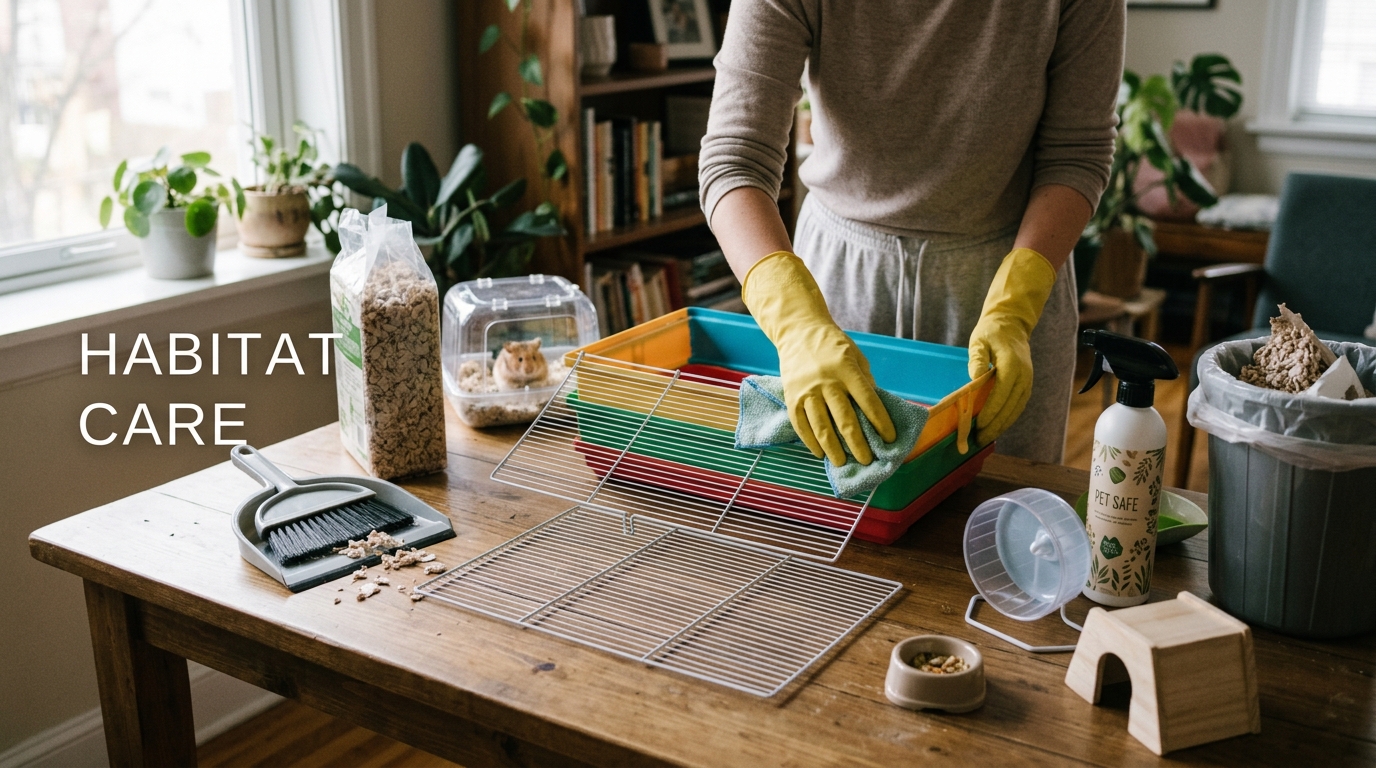
Housing and Habitat
Proper housing and habitat are essential for the well-being of your pet. When setting up a habitat for your pet, consider the size of the enclosure, substrate, temperature, humidity levels, lighting, and hiding spots. Research the specific requirements of your pet species to ensure you are providing the ideal environment. For reptiles, a terrarium with appropriate heating and lighting elements is crucial, while small mammals may require a spacious cage with bedding material and toys for enrichment.
Regularly clean and maintain the habitat to prevent the buildup of waste and bacteria. Monitor temperature and humidity levels using suitable instruments and make adjustments as needed. Create a safe and secure space for your pet to reduce stress and promote natural behaviors. Providing a suitable habitat will contribute to the overall health and happiness of your pet.
Diet and Nutrition
Importance of a Proper Diet: Providing your pet with a balanced and nutritious diet is essential for their overall health and well-being. A diet that meets their specific nutritional needs will help prevent illnesses and ensure they have the energy and nutrients necessary for growth and development.
Types of Food to Offer: Guinea pigs are herbivores, so their diet should consist mainly of hay, fresh vegetables, and a small amount of pellets. Hay is crucial for their dental health and digestion, while vegetables provide essential vitamins and minerals. Pellets should be limited to avoid obesity, and treats should be given sparingly to prevent health issues.
Handling and Socialization
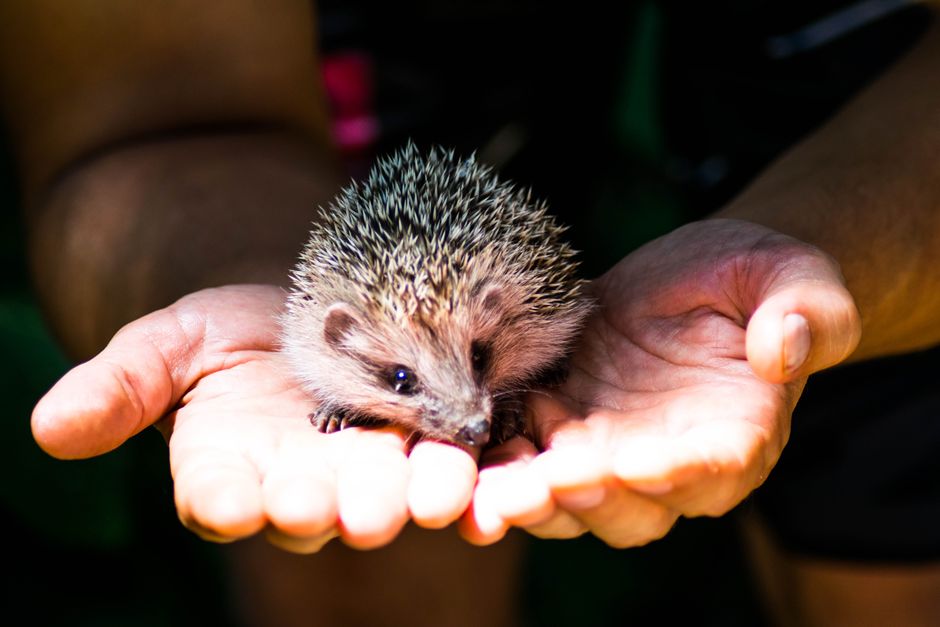
Handling: Proper handling is crucial for the well-being of your pet. Always support your guinea pig’s body with both hands when picking them up to prevent injury. Approach them calmly and gently, avoiding sudden movements that may startle them. Allow your guinea pig to become comfortable with being handled gradually, starting with short sessions and increasing the duration as they become more accustomed.
Socialization: Guinea pigs are social animals that thrive in the company of their own kind. It is recommended to keep them in pairs or groups to prevent loneliness and improve their overall welfare. When introducing new guinea pigs, do so in a neutral territory to avoid territorial disputes. Spend quality time interacting with your guinea pigs through gentle petting, talking to them, and providing enrichment activities to strengthen your bond and promote their mental stimulation.
Health and Wellness
Physical Health: Ensuring your pet’s physical health is crucial for their overall well-being. Regular veterinary check-ups, vaccinations, and a balanced diet are essential for keeping your pet healthy. Monitor their weight, teeth, and fur condition, and provide proper exercise to maintain their physical fitness.
Mental Wellness: Mental stimulation is just as important as physical exercise for your pet’s mental well-being. Provide enrichment activities such as puzzle toys, interactive play, and social interaction to prevent boredom and reduce stress. Be mindful of any changes in behavior that may indicate stress or anxiety, and address them promptly to maintain your pet’s mental health.
Grooming and Hygiene
Grooming: Proper grooming is essential for maintaining a pet’s health and well-being. Regular grooming helps prevent matting, reduces shedding, and allows for early detection of skin issues or parasites. Brushing your pet’s fur regularly not only keeps their coat looking shiny but also stimulates circulation and distributes natural oils.
Hygiene: Keeping your pet clean is crucial for their overall health. Depending on the type of pet you have, grooming needs may vary. Bathing, nail trimming, ear cleaning, and dental care are important aspects of maintaining good hygiene. Regular grooming sessions provide an opportunity to check for any abnormalities or signs of illness, ensuring your pet stays happy and healthy.
Final Thoughts: In conclusion, it is essential to understand the overall well-being and care requirements of the animal to provide a happy and healthy life. By considering factors like housing, diet, handling, grooming, and health, you can ensure the best possible care for your pet.
Key Takeaways: Remember to create a suitable habitat, offer a balanced diet, handle and socialize your pet appropriately, monitor their health closely, and maintain good grooming habits. Regular veterinary check-ups and a loving environment are crucial for the well-being of your animal companion.