
Are you struggling to care for your parakeet and provide it with the best possible life? Many parakeet owners face the common problem of not knowing how to properly care for their feathered friends, leading to unnecessary agitation and stress for both the bird and the owner. But fear not, because in this guide, we will provide you with practical solutions and tips to ensure your parakeet lives a happy and healthy life.
From setting up the perfect cage environment to providing a well-balanced diet and engaging in regular exercise, we’ve got you covered. By following our simple yet effective care tips, you can create a nurturing environment for your parakeet and build a strong bond with your feathered companion. Say goodbye to confusion and frustration, and say hello to a harmonious relationship with your beloved parakeet!
Choosing the Right Cage
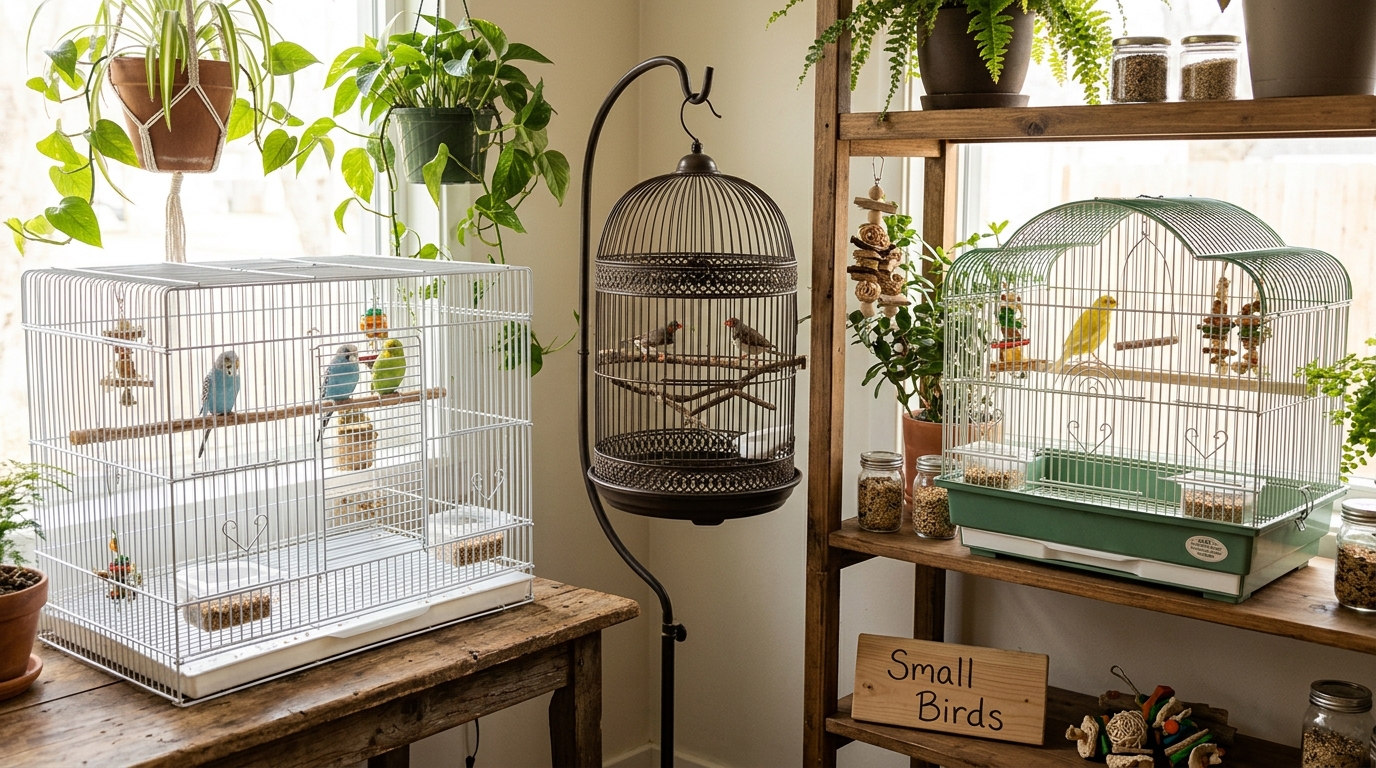
When selecting a cage for your parakeet, it is crucial to consider several factors to ensure your bird’s well-being. The size of the cage is paramount, as parakeets are active birds that require space to move around and exercise. A larger cage allows for more room to fly and explore, promoting physical and mental health.
Additionally, the bar spacing of the cage is essential to prevent escape or injury. Make sure the bars are appropriately spaced to avoid your parakeet getting stuck or slipping through. Opt for a cage made of safe, non-toxic materials to ensure the health and safety of your bird. Consider features such as a secure door latch, easy-clean tray, and perches for your parakeet to rest and play on.
Providing a Balanced Diet
Understanding the importance of a balanced diet for your parakeet is crucial for their overall health and well-being. A proper diet ensures that your bird receives essential nutrients, vitamins, and minerals necessary for growth, energy, and disease prevention. It is essential to provide a variety of fresh foods to meet their dietary requirements and keep them healthy.
Parakeets should have a base diet of high-quality pellets specifically formulated for their nutritional needs. Supplement this with a variety of fresh fruits, vegetables, and occasional treats like seeds or nuts. Avoid feeding your parakeet foods high in fat, sugar, or salt. Providing a balanced diet will help prevent obesity, malnutrition, and other health issues, keeping your feathered friend happy and active for years to come.
Setting Up the Perfect Environment
Choosing the right environment for your parakeet is essential for their well-being and happiness. Start by selecting a spacious cage that allows for plenty of room to move around and stretch their wings. Make sure the cage is made of safe materials and has appropriate bar spacing to prevent escape. Position the cage in a well-lit area with natural light, but avoid direct sunlight as it can overheat the bird.
Creating a Comfortable Living Space
Provide a variety of perches and toys to keep your parakeet entertained and engaged. Include different textures and sizes of perches to promote foot health and prevent boredom. Offer toys such as bells, swings, and mirrors to stimulate their mind and encourage physical activity. Place a shallow dish of clean water for bathing, as parakeets enjoy grooming themselves regularly.
Handling and Socializing with Your Parakeet
Handling Your Parakeet: When handling your parakeet, it’s essential to approach them calmly and gently. Start by allowing your bird to get used to your presence by talking to them softly and moving slowly around their cage. Once your parakeet appears comfortable, you can attempt to gently place your hand inside the cage and let them come to you. Avoid sudden movements or loud noises, as these can startle your bird.
Socializing Your Parakeet: Socializing with your parakeet is crucial for building a strong bond and ensuring their mental well-being. Spend time interacting with your bird daily, whether through talking, playing, or training. Offer treats as positive reinforcement for good behavior and gradually introduce new toys and activities to keep them engaged. Remember that each parakeet has its unique personality, so be patient and understanding as you work on building trust and companionship with your feathered friend.
Common Health Issues and How to Prevent Them
Common health issues: Parakeets are prone to various health problems, including respiratory infections, mites, and nutritional deficiencies. Respiratory infections can be caused by drafts, poor ventilation, or exposure to cigarette smoke. Mites are tiny parasites that can cause itching, feather loss, and skin irritation in parakeets. Nutritional deficiencies may arise from an imbalanced diet lacking essential vitamins and minerals.
Preventive measures: To prevent common health issues in parakeets, ensure their environment is clean, well-ventilated, and free from drafts. Regularly clean and disinfect their cage and toys to minimize the risk of infections. Provide a balanced diet consisting of seeds, pellets, fresh fruits, and vegetables to meet their nutritional needs. Regularly consult with an avian veterinarian for check-ups and advice on maintaining your parakeet’s health.
Summary: In conclusion, caring for a parakeet requires attention to detail and dedication to providing a safe and stimulating environment for your feathered friend. By following the guidelines outlined in this guide, you can ensure that your parakeet lives a happy and healthy life.
Final Thoughts: Remember to interact with your parakeet regularly, provide a varied and nutritious diet, and monitor their health closely. By being proactive in addressing any issues that may arise and seeking veterinary care when needed, you can enjoy a long and fulfilling relationship with your beloved pet parakeet.