

Are you struggling to care for your pet rat and keep it happy and healthy? Many rat owners face the problem of not knowing the best practices to ensure their furry friend’s well-being. From inadequate housing to improper diet, these issues can lead to agitation and stress for both you and your pet.
But fear not! With the right knowledge and guidance, you can easily provide top-notch care for your pet rat. By understanding their specific needs, creating a suitable environment, and offering proper nutrition, you can ensure a happy and fulfilling life for your beloved rodent companion. Let’s explore the essential tips and tricks to make your rat’s life the best it can be!
Choosing a Rat as a Pet
Considerations for Choosing a Rat: Rats can make wonderful pets for the right individual or family. When choosing a rat as a pet, consider factors such as your living situation, time commitment, and budget. Rats are social animals that require companionship, so it is recommended to have at least two rats to prevent loneliness. Additionally, rats are intelligent and curious creatures that need mental stimulation, so providing them with toys, tunnels, and opportunities for exploration is essential.
Benefits of Having a Rat: Rats are known for their playful and affectionate nature. They can form strong bonds with their owners and enjoy interacting with them. Rats are also highly trainable and can learn tricks and behaviors with positive reinforcement. Furthermore, rats are relatively low-maintenance pets compared to other animals, making them a suitable choice for busy individuals or families. Overall, choosing a rat as a pet can bring joy, companionship, and entertainment to your life.
Setting Up a Rat Habitat
Rats are active and intelligent animals that require a safe and stimulating environment to thrive. When setting up a rat habitat, it is essential to consider the size, layout, and amenities to meet their physical and mental needs. A suitable cage for rats should be spacious, well-ventilated, and escape-proof to prevent any harm or accidents.
Choosing appropriate bedding material is crucial to maintain hygiene and comfort for your pet rats. Avoid cedar or pine shavings, as they can be harmful to rats’ respiratory systems. Opt for paper-based bedding or aspen shavings instead. Additionally, provide nesting material like shredded paper or tissue for your rats to build cozy nests.
Feeding Your Pet Rat
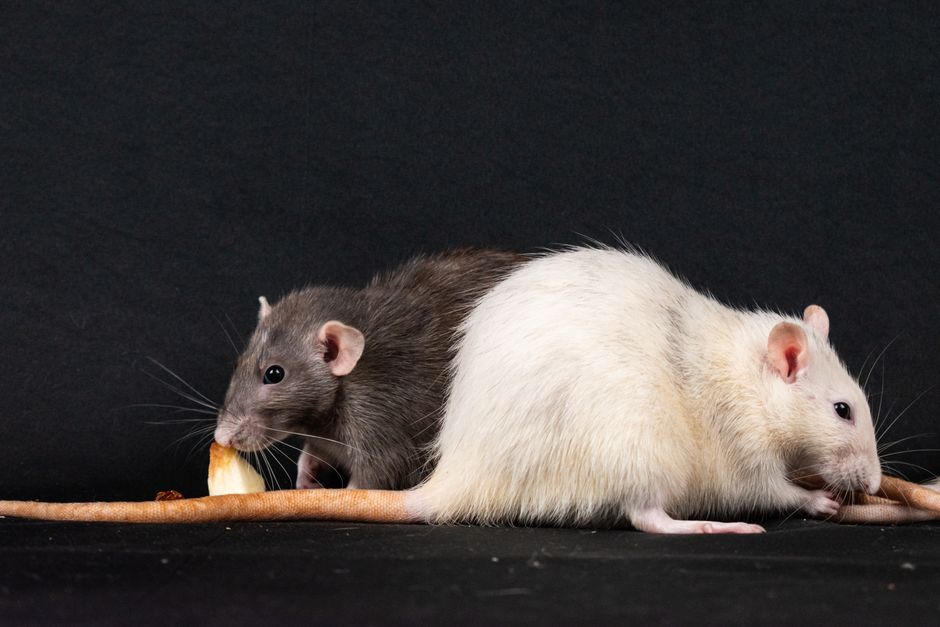
Proper nutrition is essential for the health and well-being of your pet rat. Rats are omnivores, meaning they require a balanced diet of both plant and animal-based foods. Commercial rat pellets are a convenient option as they are specially formulated to meet the nutritional needs of rats. These pellets should make up the majority of your rat’s diet to ensure they receive essential vitamins and minerals. In addition to pellets, fresh fruits and vegetables should be offered daily to provide additional nutrients and variety in their diet. Avoid feeding your rat sugary or fatty treats, as these can lead to obesity and other health issues.
Handling and Socializing with Your Rat
Building a bond with your pet rat through regular handling and socialization is key to a happy and well-adjusted companion. When handling your rat, be gentle and calm to help them feel secure. Start by offering treats to associate your scent with something positive. Allow your rat to explore their environment and get comfortable with your presence before attempting to pick them up. Spend time interacting with your rat daily to strengthen your bond and build trust. Socialization with other rats is also important for their mental and emotional well-being, so consider keeping a pair or group of rats if possible.
Handling and Socializing with Your Rat
Handling: When handling your pet rat, it’s important to approach them calmly and confidently. Use both hands to gently pick them up, supporting their body to make them feel secure. Avoid sudden movements or loud noises that can startle them. Regular handling helps build trust between you and your rat, making them more comfortable around you.
Socializing: Rats are social animals that enjoy interacting with their human companions. Spend quality time with your rat by talking to them, offering treats, and playing games together. Allow your rat to explore their environment while supervised, providing enriching activities like toys and tunnels. Socialization is key to a happy and well-adjusted pet rat, fostering a strong bond between you and your furry friend.
Health and Veterinary Care for Rats
Regular Vet Check-ups: Just like any other pet, rats require regular veterinary check-ups to ensure they are healthy and thriving. It is recommended to find a veterinarian experienced in treating small animals, including rats, to provide the best care possible.
Common Health Issues: Rats are prone to certain health issues such as respiratory infections, tumors, and dental problems. It is essential to monitor your pet rat closely for any signs of illness or discomfort. If you notice any changes in behavior, appetite, or physical appearance, consult with a vet promptly to address any potential health concerns.
Summary: In conclusion, rats can make wonderful and rewarding pets for those willing to invest time, effort, and care into their well-being. Despite common misconceptions, rats are intelligent, social, and affectionate animals that can form strong bonds with their human companions. By providing a suitable habitat, proper nutrition, regular handling, and veterinary care when needed, rat owners can ensure their pets live happy and healthy lives.
Final Thoughts: As with any pet, owning a rat comes with responsibilities and commitments. It is crucial to educate oneself about rat care, behavior, and health to provide the best possible life for these curious and playful creatures. Building a trusting relationship with your pet rat through positive interactions and enrichment activities can lead to a fulfilling companionship that is both enjoyable and enriching for both the rat and its owner.