
Are you a pet owner concerned about your furry friend’s health? Spotting common pet health problems early can make all the difference in ensuring their well-being. From skin issues to digestive problems, being proactive is key to keeping your pet happy and healthy.
By learning how to identify early warning signs and taking action promptly, you can help your pet avoid serious health issues. Stay tuned as we explore practical tips and tricks to help you become a vigilant pet parent and keep your beloved companion in top shape.
Importance of Early Detection
Early detection of health issues in pets is crucial for ensuring their well-being and longevity. Regular monitoring and prompt identification of any abnormalities can lead to timely intervention and treatment, potentially preventing the progression of serious illnesses. By catching problems early, pet owners can avoid unnecessary suffering for their furry companions and minimize healthcare costs in the long run.
Additionally, early detection can significantly improve the prognosis of various conditions, increasing the chances of successful outcomes and recovery. Regular health screenings, routine check-ups, and vigilance in observing any changes in behavior or physical appearance are essential practices in maintaining the health of pets. Educating pet owners on the importance of early detection empowers them to take a proactive role in safeguarding their pets’ health and well-being.
Signs and Symptoms to Watch for
Recognizing signs and symptoms of health issues in pets is crucial for early intervention and treatment. Monitoring your pet’s behavior and physical condition can help you detect potential problems before they escalate. Some common signs to watch for include changes in appetite, weight loss or gain, lethargy, excessive thirst, vomiting, diarrhea, coughing, sneezing, limping, and skin issues.
Additionally, keep an eye out for subtle changes in behavior such as increased aggression, hiding more than usual, or reluctance to play. Any unusual behavior or symptom should prompt a visit to the veterinarian for a thorough evaluation. Early detection of health issues can significantly improve the prognosis and quality of life for your pet, so staying vigilant and proactive is key to ensuring their well-being.

Common Health Problems in Pets
Obesity: One of the most common health problems in pets is obesity. This condition can lead to a range of health issues, including diabetes, joint problems, and heart disease. It is important for pet owners to monitor their pet’s weight and ensure they are receiving a balanced diet and regular exercise.
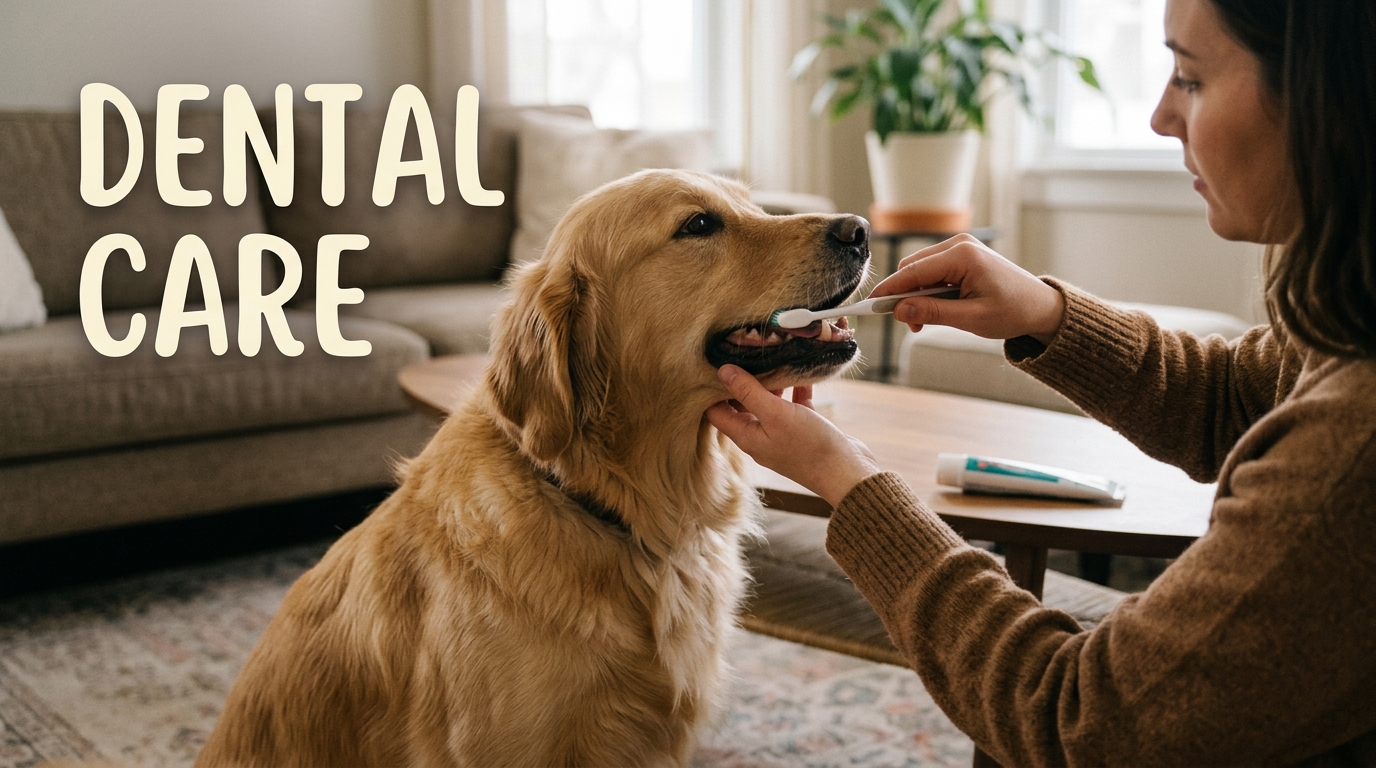
Dental Disease: Dental problems are also prevalent in pets, especially in dogs and cats. Poor dental hygiene can result in periodontal disease, tooth decay, and other oral health issues. Regular dental care, such as brushing your pet’s teeth and providing dental treats, can help prevent these problems.
Skin Conditions: Skin problems, such as allergies, infections, and parasites, are common in pets. Itchy skin, hair loss, and skin rashes are often symptoms of underlying skin conditions. Proper grooming, a healthy diet, and regular flea and tick prevention can help maintain your pet’s skin health.
Preventive Measures for Pet Health
Diet and Nutrition: Providing a well-balanced diet appropriate for your pet’s age, breed, and size is essential for maintaining good health. Consult with your veterinarian to determine the best diet plan for your furry friend. Avoid feeding them human food that can be harmful, such as chocolate, grapes, and onions.
Regular Exercise: Just like humans, pets also need regular exercise to stay healthy and maintain a healthy weight. Take your dog for daily walks, play interactive games with your cat, or provide your small pets with opportunities to move around. Regular physical activity can prevent obesity and improve overall well-being.
Veterinary Care and Check-ups
Veterinary care is essential for maintaining the overall health and well-being of your pets. Regular check-ups with a veterinarian can help prevent health problems, detect issues early on, and ensure your pet is up to date on vaccinations and preventive medications. During these visits, the vet will conduct a thorough physical examination, check for any signs of illness, and discuss any concerns you may have regarding your pet’s health.
Annual check-ups are recommended for most pets, while senior pets or those with chronic conditions may require more frequent visits. These visits allow the vet to monitor your pet’s health over time, address any changes in behavior or condition, and provide personalized recommendations for their care. Additionally, routine dental cleanings, blood work, and parasite screenings are often performed during check-ups to ensure your pet’s overall health and well-being.
Pets are valuable members of our families, providing companionship, love, and joy to our lives. As responsible pet owners, it is our duty to ensure their health and well-being. By taking preventive measures, such as providing a balanced diet, regular exercise, and proper grooming, we can help our pets live longer, happier lives.
Regular veterinary care and check-ups are essential to detect any health issues early and provide timely treatment. Being aware of the signs and symptoms to watch for can also help us identify potential health problems in our pets. By staying informed and proactive, we can give our furry friends the best chance at a healthy and fulfilling life.