
Is your furry friend showing signs of being overweight? It’s crucial to recognize the problem before it leads to serious health issues. Many pet owners are unaware of the agitation that excess weight can cause in their beloved companions.
Identifying if your pet is overweight doesn’t have to be a challenge. By understanding the signs, you can take the necessary steps to address the issue and ensure your pet’s well-being. Let’s explore simple solutions to determine if your pet is carrying some extra pounds and how you can help them achieve a healthier weight.
Importance of Maintaining a Healthy Weight for Pets
Pets, just like humans, benefit greatly from maintaining a healthy weight. Obesity in pets can lead to a myriad of health issues, including diabetes, arthritis, heart disease, and decreased lifespan. Maintaining a healthy weight for your pet is crucial in ensuring their overall well-being and quality of life.
Proper weight management can also improve your pet’s energy levels, mobility, and mental health. By keeping your pet at a healthy weight, you are promoting their longevity and reducing the risk of developing obesity-related conditions. Regular exercise and a balanced diet play key roles in achieving and maintaining an optimal weight for your furry companion.
Signs and Symptoms of Pet Obesity
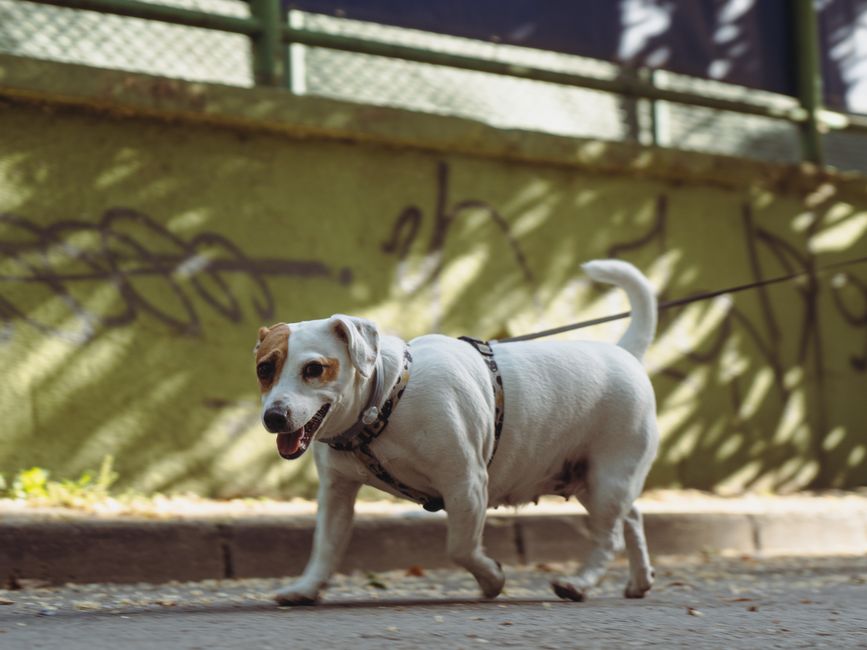
Recognizing the signs and symptoms of pet obesity is crucial for maintaining your furry friend’s health and well-being. One of the most common indicators of obesity in pets is excessive weight gain, often accompanied by a visible lack of a defined waistline. Additionally, you may notice your pet becoming lethargic, having difficulty breathing or moving, or showing a decrease in overall energy levels.
Another sign to watch out for is the inability to feel your pet’s ribs or spine easily when you run your hands over their body. This could indicate an unhealthy accumulation of fat deposits. Moreover, you may observe changes in your pet’s behavior, such as reluctance to engage in physical activities they once enjoyed or excessive panting after minimal exertion. Regularly monitoring your pet’s weight and body condition can help you detect obesity early and take proactive steps to address it.
Health Risks Associated with Pet Obesity
Cardiovascular Issues: One of the primary health risks associated with pet obesity is cardiovascular problems. Excess weight puts strain on the heart, leading to conditions such as high blood pressure, heart disease, and an increased risk of heart failure. Overweight pets are also more likely to develop atherosclerosis, a condition where fatty deposits build up in the arteries, restricting blood flow and increasing the risk of heart attacks and strokes.
Joint and Mobility Problems: Another significant health risk for obese pets is joint and mobility issues. The additional weight places excessive stress on the joints, leading to conditions such as arthritis and reduced mobility. Over time, this can result in chronic pain, decreased quality of life, and difficulty performing everyday activities. Joint problems can further exacerbate the issue of obesity, creating a cycle of decreased activity and further weight gain.
Tips for Managing Your Pet’s Weight
Portion Control: One of the key aspects of managing your pet’s weight is controlling their portion sizes. Ensure you are feeding your pet the appropriate amount of food based on their size, activity level, and age. Consult with your veterinarian to determine the right portion sizes for your pet.
Choose High-Quality Food: Opt for high-quality pet food that is nutritionally balanced and appropriate for your pet’s specific needs. Look for food that lists a quality source of protein as the first ingredient and avoid foods with excessive fillers or additives.
Monitor Treats: Be mindful of the treats you give your pet, as they can quickly add extra calories to their diet. Choose healthy treats or use their regular food as treats in moderation. Remember, treats should make up only a small portion of your pet’s daily caloric intake.
Regular Exercise: Keep your pet active with regular exercise. Take them for walks, play games, or engage in activities that encourage movement. Exercise is essential for maintaining a healthy weight and overall well-being for your pet.
Exercise and Nutrition Guidelines for Overweight Pets
Exercise: Regular physical activity is crucial for overweight pets to shed excess pounds and improve overall health. Start with low-impact exercises like short walks or gentle play sessions to avoid overexertion. Gradually increase the duration and intensity of the activities as your pet’s fitness level improves. Consider activities that your pet enjoys to make exercise sessions more engaging and sustainable.
Nutrition: Proper nutrition plays a key role in managing your overweight pet’s weight. Consult with your veterinarian to determine the appropriate caloric intake for your pet based on their age, size, and activity level. Choose high-quality, balanced pet food that is specifically formulated for weight management. Avoid feeding table scraps and treats excessively, as they can contribute to weight gain. Monitor your pet’s progress regularly and make adjustments to their diet as needed to achieve and maintain a healthy weight.
Summary: In conclusion, maintaining a healthy weight for pets is crucial for their overall well-being and longevity. Pet obesity is a serious issue that can lead to various health problems and reduce the quality of life for our furry companions. By being aware of the signs and symptoms of pet obesity, understanding the associated health risks, and implementing proper weight management strategies, pet owners can help their pets live healthier and happier lives.
Final Thoughts: Remember, prevention is key when it comes to pet obesity. Regular exercise, a balanced diet, and portion control are essential components of keeping pets at a healthy weight. Consulting with a veterinarian for personalized advice and guidance is recommended to ensure that your pet maintains an ideal weight and stays healthy for years to come.