

Are you tired of your furry friend making a mess during meal times? Does your pet’s feeding area look like a disaster zone every day? It’s time to take control and set up a pet feeding station that will make both you and your pet happy.
With a well-organized pet feeding station, you can say goodbye to scattered kibbles and spilled water. By designating a specific area for your pet’s meals, you can create a clean and tidy space that promotes healthy eating habits. Discover how to set up the perfect pet feeding station that will simplify your life and keep your pet well-fed and content.
Choosing the Right Location
Location is a crucial factor when setting up a feeding station for your pet. It should be in a quiet and safe area, away from high traffic or noise. Choose a spot that is easily accessible for both you and your pet, but also provides some privacy. Avoid placing the feeding station near litter boxes or noisy appliances to ensure your pet feels comfortable while eating.
Consider the environment when selecting the location. Ensure that the area is well-ventilated and free from extreme temperatures. Cats, for example, prefer to eat in a quiet and peaceful environment, while dogs may feel more at ease in a spot where they can observe their surroundings. By choosing the right location for the feeding station, you can help promote a positive eating experience for your pet.
Selecting the Right Bowls
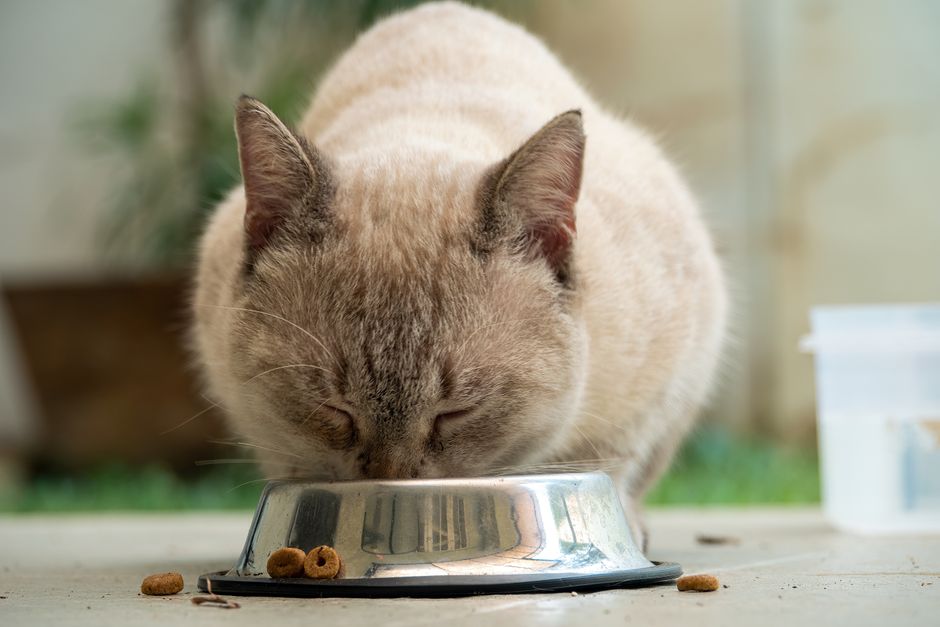
Types of Bowls: When selecting bowls for your pets, consider the material, size, and design. Stainless steel bowls are durable, easy to clean, and resistant to bacteria growth. Ceramic bowls are stylish and come in various designs, but they can chip or break. Plastic bowls are affordable and lightweight, but they can harbor bacteria if scratched. Elevated bowls are beneficial for pets with joint issues or digestive problems.
Size and Height: Choose bowls that are appropriate for your pet’s size and breed. The bowl should be large enough to hold an adequate amount of food and water without spilling over. For dogs, consider elevated bowls to improve posture and reduce neck strain. Cats prefer shallow bowls to avoid touching their whiskers against the edges. Ensure the height of the bowls is comfortable for your pet to eat and drink without straining.
Organizing Food and Treats
Storing Food: Properly organizing your pet’s food is essential for their health and well-being. Store dry food in a cool, dry place to prevent spoilage and maintain freshness. Consider using airtight containers to keep the food free from contaminants and pests. For canned food, store opened cans in the refrigerator and use them within a few days to ensure quality.
Treating Training: Treats are a great way to reward your pet during training sessions or as occasional snacks. Organize treats in easily accessible containers or pouches to quickly reinforce positive behavior. Choose treats that are appropriate for your pet’s size and dietary needs. Avoid overfeeding treats, as they should complement a balanced diet rather than replace regular meals.
Providing Fresh Water
Importance of Fresh Water: Fresh water is essential for your pet’s health and well-being. Just like humans, cats and dogs need access to clean water throughout the day to stay hydrated and maintain proper bodily functions. Dehydration can lead to various health issues, so it is crucial to ensure that your pet always has access to fresh water.
Water Bowl Placement and Refilling: Place water bowls in easily accessible locations around your home, away from food and litter boxes. Make sure to refill the water bowl with fresh water at least once a day, more frequently if the water gets dirty or runs low. Consider the size of the bowl based on your pet’s size and drinking habits to ensure an adequate supply of water is always available.
Cleaning and Maintenance
Cleaning: Regular cleaning is essential to maintain a hygienic environment for your pet. Clean the food and water bowls daily with hot, soapy water to remove any leftover food particles or bacteria. Use a pet-safe disinfectant to sanitize the bowls at least once a week. Wash your pet’s feeding area, including the surrounding floor and walls, to prevent the buildup of dirt and germs.
Maintenance: In addition to cleaning, it’s important to inspect your pet’s feeding area regularly for any signs of wear and tear. Check the bowls for cracks or chips that could harbor bacteria or injure your pet. Replace any damaged bowls promptly. Keep an eye on your pet’s food and water supply, ensuring that they have enough to eat and drink throughout the day. Establish a routine for cleaning and maintenance to ensure your pet’s eating area remains clean and safe.
After considering all the essential aspects of caring for your pet, it is clear that maintaining a clean and organized feeding station is crucial for their health and well-being. By choosing the right location, selecting appropriate bowls, organizing food and treats, providing fresh water, and keeping the feeding area clean, you are ensuring a safe and comfortable environment for your furry friend.
Remember, a well-maintained feeding station not only promotes good hygiene but also helps in monitoring your pet’s eating habits and overall health. Regular cleaning and maintenance of the feeding area will prevent contamination and reduce the risk of illnesses. By following these simple guidelines, you can create a positive feeding experience for your pet and strengthen the bond between you and your beloved companion.