
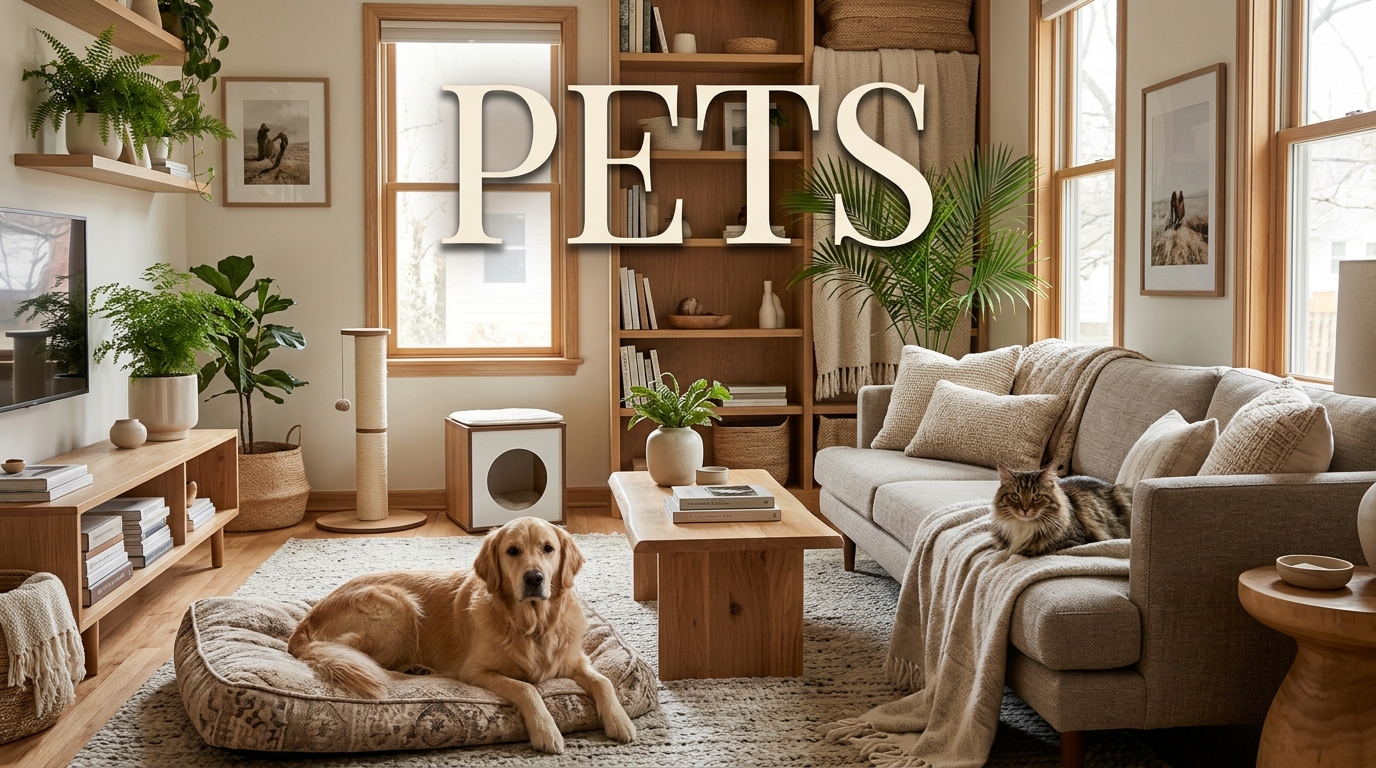
Are you tired of tripping over your furry friend’s toys scattered all over the house? The struggle to keep your home tidy with pet toys lying around can be frustrating. But fear not, we have the solution for you – the best storage ideas for pet toys that will help you declutter and organize your space effortlessly.
Imagine saying goodbye to the chaos of toys strewn across the floor and hello to a neat and organized living area. With our clever storage solutions, you can create a designated space for your pet’s toys, making it easy to find them when needed and keep them out of sight when not in use. Say goodbye to the mess and hello to a more organized and pet-friendly home with these storage ideas for pet toys.
Top 10 Home Office Organization Tips
Declutter Regularly: The key to a well-organized home office is to declutter regularly. Start by going through all your paperwork, files, and supplies. Keep only what you need and discard or donate items that are no longer useful. By keeping your workspace clutter-free, you can boost productivity and focus.
Invest in Storage Solutions: Consider investing in storage solutions such as shelves, cabinets, file organizers, and desk trays. These items can help you maximize space and keep everything in its place. Utilize vertical space with wall-mounted shelves and pegboards to free up valuable desk space. Drawer organizers can help keep small items like paper clips and pens tidy and easily accessible.
DIY Closet Organization Ideas
Maximizing closet space and keeping it organized can make getting dressed a breeze and help you maintain a clutter-free home.
Consider installing additional shelves or hanging rods to create more storage options. Utilize storage bins, baskets, or clear containers to keep smaller items organized and easily accessible. Use slim hangers to maximize hanging space and keep clothes wrinkle-free.
Another great DIY idea is to label storage containers or shelves to easily find items and maintain organization over time.
Utilize vertical space by installing hooks or racks on the inside of closet doors for items like bags, scarves, or belts. Consider repurposing old shoeboxes or creating custom dividers to keep accessories neat and visible. Regularly declutter and donate items you no longer need to keep your closet organized and functional.

Declutter Your Bathroom in 5 Easy Steps
Step 1: Assess Your Space
Begin by taking a critical look at your bathroom. Identify items that are no longer needed or expired. Check for duplicates and products you never use. Assess your storage space and note areas that need improvement.
Step 2: Clear Countertops and Shelves
Remove all clutter from countertops and shelves. Only keep essential items within reach. Consider using drawer dividers or baskets to organize smaller items like cosmetics or toiletries. Utilize vertical space by installing shelves or wall-mounted storage units.
Step 3: Streamline Your Products
Sort through your products and discard expired or unused items. Consolidate multiples of the same product to free up space. Consider using clear containers or bins to store similar items together for easy access.
Step 4: Maximize Storage Solutions
Invest in storage solutions like under-sink organizers, over-the-door racks, or stackable bins to optimize space in cabinets and drawers. Use labels to identify contents and maintain organization. Utilize vertical space by installing hooks for towels or robes.
Step 5: Establish a Routine Maintenance Plan
Create a routine to declutter and organize your bathroom regularly. Set aside time each week to tidy up and put items back in their designated places. Stay disciplined in maintaining the organization to prevent clutter from accumulating again.
Storage Solutions for Small Spaces
Maximizing storage in small spaces is essential for maintaining organization and functionality. Utilize vertical space by installing shelves or wall-mounted storage units. Opt for furniture pieces that double as storage, such as ottomans with hidden compartments or beds with built-in drawers. Consider utilizing underutilized spaces, like the back of doors or under the bed, for additional storage solutions. Utilizing clear containers and labels can help you easily identify and access items, making it simpler to keep your small space organized.
Utilizing Multi-Functional Furniture
Multi-functional furniture pieces are a great way to optimize storage in small spaces. Look for items like fold-down tables, nesting tables, or convertible sofas that can serve dual purposes. Furniture with built-in storage compartments, like coffee tables with hidden storage or storage ottomans, can help keep clutter at bay. Opting for furniture that can be easily moved or rearranged allows for flexibility in your small space, making it easier to adapt to changing needs.
Organizing Your Garage: A Step-by-Step Guide
Step 1: Declutter and Sort
The first step in organizing your garage is to declutter and sort through all your belongings. Start by removing everything from the garage and categorizing items into piles – keep, donate, sell, or discard. This process will help you identify what you truly need and what can be let go of to create more space.
Step 2: Create Zones
After decluttering, create zones in your garage based on the types of items you have. Designate areas for tools, sports equipment, seasonal decorations, gardening supplies, and so on. This will make it easier to find things when you need them and prevent clutter from building up in the future.
How to Maintain an Organized Pantry
Regular Inventory: Keeping an organized pantry starts with knowing what you have. Conduct a regular inventory to check for expired items, restock essentials, and make a shopping list based on what you need. This practice helps prevent clutter and ensures you always have the ingredients you need for meals without overbuying.
Labeling and Categorizing: One of the keys to a well-maintained pantry is proper labeling and categorization. Use clear labels on containers and shelves to easily identify different items. Group similar items together, such as canned goods, spices, grains, and snacks, to streamline your cooking process and make it easier to find what you need quickly.