

If you have a cat that hates brushing, you’re not alone. Dealing with a fussy feline during grooming sessions can be a real challenge. The problem arises when your cat becomes agitated and stressed, making it difficult to maintain their coat’s health and cleanliness.
The solution lies in finding the right approach to make grooming a more pleasant experience for your cat. By using gentle techniques, proper tools, and a little patience, you can help your cat overcome their aversion to brushing. In this guide, we’ll explore effective strategies to groom a cat that hates brushing, ensuring a happier and healthier cat in the process.
Understanding Your Cat’s Behavior
Cats are known for their independent and sometimes unpredictable behavior. It is essential for cat owners to understand their feline companions to foster a harmonious relationship. One key aspect of understanding a cat’s behavior is recognizing their body language and vocalizations. Cats communicate through various signals such as tail movement, ear position, and meowing. By observing and interpreting these cues, owners can better respond to their cat’s needs and emotions.
Furthermore, understanding the natural instincts of cats is crucial in comprehending their behavior. Cats are predators by nature and exhibit hunting behaviors even in a domestic setting. Providing opportunities for play, exercise, and mental stimulation can help satisfy these instincts and prevent behavioral issues. Additionally, recognizing stress triggers and providing a safe and comfortable environment are essential for promoting positive behavior in cats.
Preparing for the Grooming Session
Setting the Stage: Before starting the grooming session with your cat, it is crucial to create a comfortable and safe environment. Choose a quiet room where your cat feels relaxed and secure. Ensure that all grooming tools are within reach, such as a brush, comb, nail clippers, and treats for positive reinforcement.
Establishing Trust: Building trust with your cat is essential for a successful grooming session. Spend some time bonding with your cat before beginning the grooming process. Use gentle strokes to familiarize your cat with the sensation of being touched and groomed. By creating a positive association with grooming, your cat will be more receptive to the experience.
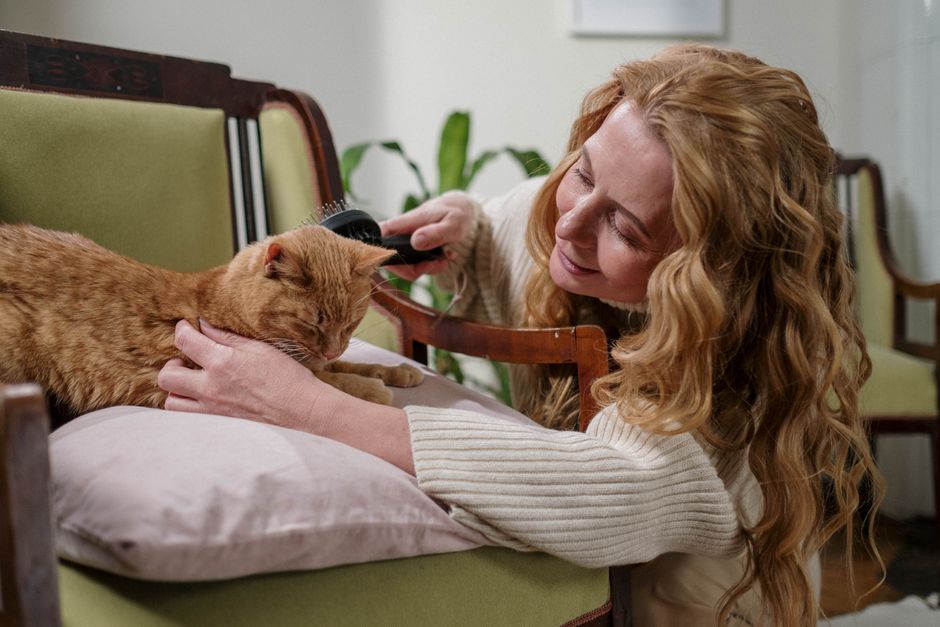
Techniques for Brushing a Cat That Hates It
Understanding your cat’s body language: Before attempting to brush a cat that dislikes grooming, it’s crucial to understand their body language. Signs of stress or discomfort may include flattened ears, dilated pupils, twitching tail, and aggressive behavior. If you notice any of these signs, it’s best to give your cat a break and try again later.
Gradual desensitization: To help a cat become more comfortable with brushing, start by gently touching and petting them with the brush without actually brushing. Gradually increase the duration of these sessions over time to help desensitize your cat to the brush. Rewarding your cat with treats or praise can also help create positive associations with grooming.
Dealing with Resistance
Understanding your cat’s behavior is crucial when it comes to dealing with resistance during grooming sessions. Cats are known for their independent nature and strong aversion to being restrained or handled in ways they don’t like. It’s important to approach grooming with patience and respect for your cat’s boundaries. If your cat shows signs of resistance, such as growling, hissing, or trying to escape, it’s essential to take a step back and evaluate the situation.
One effective strategy for dealing with resistance is to use positive reinforcement techniques. Rewarding your cat with treats or praise when they exhibit calm behavior during grooming can help create a positive association with the experience. Additionally, taking short grooming sessions and gradually increasing the duration can help your cat become more comfortable over time. If your cat continues to resist grooming despite your efforts, consider seeking advice from a professional groomer or veterinarian to address any underlying issues causing the resistance.
Tips for Successful Grooming
Establish a Routine: Consistency is key when it comes to grooming your cat. Try to establish a regular grooming schedule to help your cat get used to the process and make it more manageable for both of you. Choose a time when your cat is usually calm and relaxed to avoid unnecessary stress.
Use Positive Reinforcement: Make grooming a positive experience for your cat by offering treats, praise, and rewards during and after the grooming session. This will help create a positive association with grooming and make your cat more cooperative in the long run.
Start Slow: If your cat is not used to grooming, start slow by introducing the brush or comb gradually. Allow your cat to sniff and explore the grooming tools before attempting to brush or comb their fur. Be patient and gentle to build trust and avoid overwhelming your cat.
Summary: Grooming your cat is an essential part of maintaining their overall health and well-being. Regular grooming helps prevent matting, reduces shedding, and allows you to check for any skin issues or abnormalities. By establishing a grooming routine early on and using positive reinforcement techniques, you can make the experience more enjoyable for both you and your feline friend.
Final Thoughts: Remember to be patient and gentle when grooming your cat, especially if they are resistant or anxious. Building trust and creating a calm environment can go a long way in making grooming sessions more successful. Don’t hesitate to seek professional help if you encounter any grooming challenges that you cannot handle on your own. With time and practice, grooming your cat can become a bonding experience that strengthens your relationship and keeps your pet healthy and happy.