
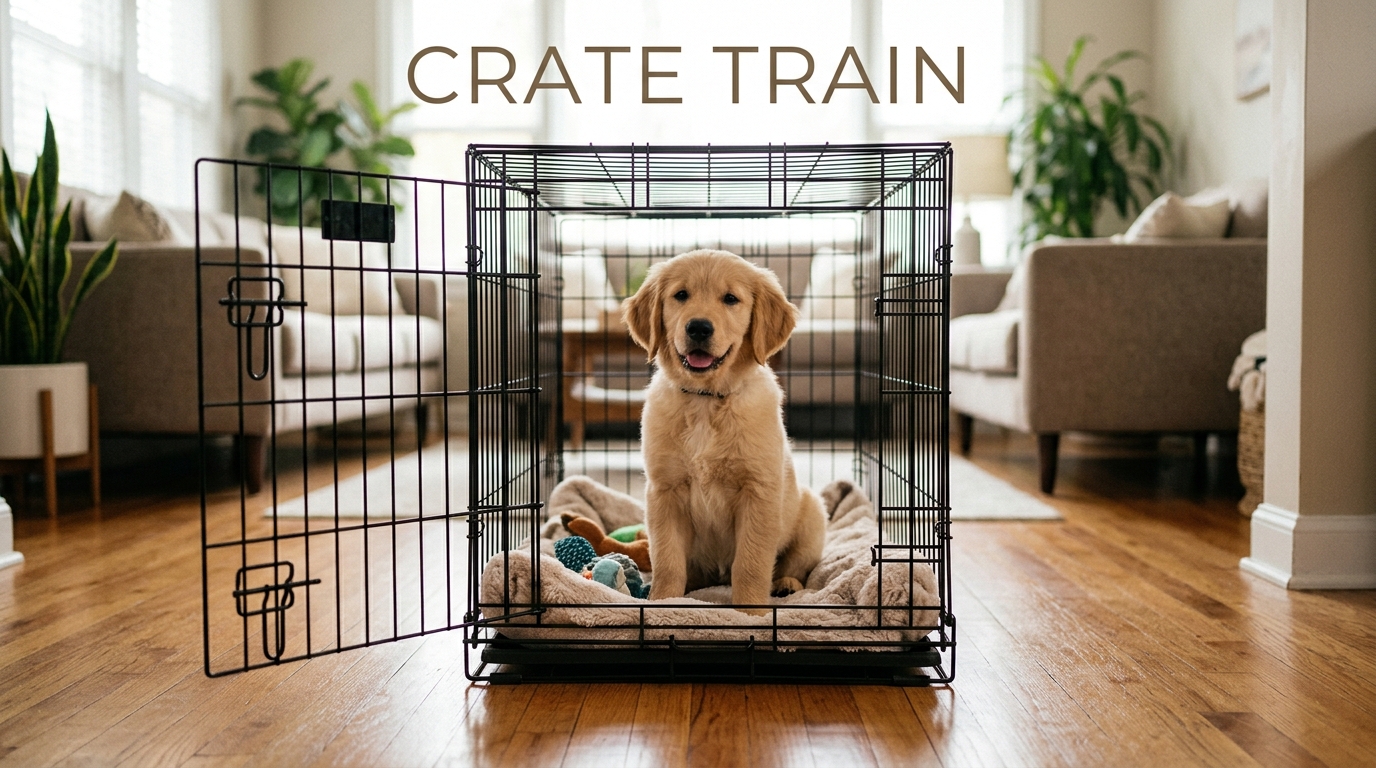
Is your furry friend causing chaos at home with their destructive behavior? Are you feeling overwhelmed by their constant barking and chewing? It’s time to take control and learn how to crate train your dog effectively. By implementing this proven method, you can provide a safe and comfortable space for your pet while also teaching them proper behavior.
Discover the solution to your dog training woes with crate training. Say goodbye to the stress and frustration of dealing with a misbehaving pup and say hello to a well-behaved and happy companion. With these simple yet powerful techniques, you can transform your dog’s behavior and create a harmonious living environment for both you and your beloved pet.
Benefits of Crate Training
Improved Housebreaking: Crate training can help accelerate the housebreaking process by teaching your dog to control their bladder and bowels. Dogs are naturally inclined to keep their sleeping area clean, so they are less likely to eliminate in their crate.
Safety and Security: Crates provide a safe and secure environment for your dog when you are unable to supervise them. It can prevent destructive behavior, keep them out of harm’s way, and reduce anxiety in certain situations, such as during thunderstorms or fireworks.
Choosing the Right Crate
Size: When selecting a crate for your dog, size is crucial. The crate should be large enough for your dog to stand up, turn around, and lie down comfortably. However, it should not be too spacious to avoid accidents inside the crate.
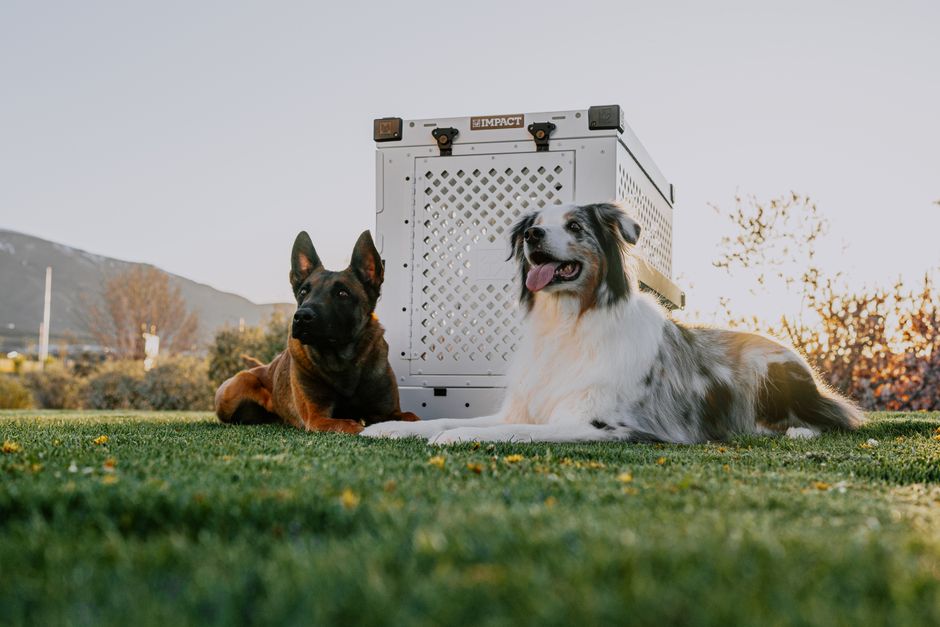
Material: Crates are commonly made of wire, plastic, or fabric. Wire crates are sturdy and provide good ventilation, while plastic crates offer more privacy and security. Fabric crates are lightweight and portable, ideal for travel.
Door Type: Consider the type of door the crate has. Some crates have doors that swing open, while others have sliding doors. Choose a crate with a door that is secure and easy for you to use.
Portability: If you plan to travel with your dog frequently, consider a crate that is collapsible and easy to transport. Portability is essential for maintaining your dog’s routine while on the go.
Setting Up the Crate
Choosing the Right Location: When setting up your dog’s crate, it is important to choose a location that is quiet and peaceful. Avoid placing the crate in high-traffic areas or near loud noises. The ideal location should be somewhere your dog can see and hear you, but also have the option for privacy when needed.
Comfort and Safety: Line the bottom of the crate with a comfortable bedding material, such as a soft blanket or crate pad. Make sure the crate is secure and stable to prevent any accidents or injuries. Avoid placing any sharp objects or loose items inside the crate that could harm your dog. Additionally, ensure the crate is properly ventilated to keep your dog comfortable at all times.
Getting Your Dog Accustomed to the Crate
Introducing the Crate: When introducing your dog to the crate, start by placing it in a common area of the house with the door open. Encourage your dog to explore the crate on their own terms by tossing treats inside and using positive reinforcement. Make the crate a comfortable and inviting space by adding a soft blanket or familiar toy.
Feeding in the Crate: One effective way to help your dog become accustomed to the crate is by feeding them their meals inside. Start by placing their food bowl at the back of the crate and gradually move it closer to the entrance as your dog becomes more comfortable. This helps create a positive association with the crate as a place for relaxation and meals.
Crate Training Tips and Techniques
Consistency is Key: When crate training your dog, it is crucial to be consistent with your routine. This includes feeding times, potty breaks, and bedtime. Dogs thrive on routine, so sticking to a consistent schedule will help them feel secure and comfortable in their crate.
Positive Reinforcement: Use positive reinforcement techniques such as treats, praise, and toys to encourage your dog to enter and stay in the crate. Rewarding good behavior will help your dog associate the crate with positive experiences, making them more willing to spend time in it.
Troubleshooting Common Issues
When crate training your dog, it’s common to encounter challenges along the way. One common issue is separation anxiety, where your dog becomes distressed when left alone in the crate. To address this, gradually increase the time your dog spends in the crate, starting with short intervals and gradually extending them. Additionally, you can leave a piece of clothing with your scent in the crate to provide comfort.
Another common problem is excessive barking or whining in the crate. This behavior can be due to boredom, anxiety, or the dog needing to go outside. To tackle this, ensure your dog gets enough physical and mental stimulation outside the crate. You can also feed your dog meals or provide treats in the crate to create positive associations.