
Are you struggling to provide proper care for your turtle? Maybe you’re feeling overwhelmed with conflicting information on how to keep your shelled friend healthy and happy. The good news is, with the right knowledge and guidance, caring for a turtle can be a rewarding experience that strengthens your bond with these fascinating creatures.
By understanding the specific needs of your turtle and implementing simple yet effective care routines, you can ensure a thriving environment for your pet. From creating a suitable habitat to providing a balanced diet and maintaining proper hygiene, this guide will equip you with the essential tools to give your turtle the best care possible. Say goodbye to confusion and hello to confident turtle care practices that will benefit both you and your shelled companion.
Choosing the Right Turtle
When choosing a turtle as a pet, it is essential to consider several factors to ensure the well-being of your new companion. First, research different turtle species to find one that matches your lifestyle and living space. Some turtles require more space, while others are better suited for smaller habitats. Additionally, consider the turtle’s diet and specific care requirements. Different turtles have varying needs when it comes to temperature, lighting, and water quality.
It is crucial to acquire your turtle from a reputable source to ensure its health and to avoid supporting illegal wildlife trade. Look for a breeder or a rescue center with a good reputation. Inspect the turtle for any signs of illness or injury before bringing it home. Remember that owning a turtle is a long-term commitment, as they can live for several decades. By choosing the right turtle and providing it with proper care, you can enjoy a rewarding and fulfilling relationship with your new pet.
Setting Up the Habitat
Choosing the right habitat for your turtle is crucial to its overall well-being and happiness. First and foremost, you’ll need to select an appropriately sized tank or enclosure based on the species of turtle you have. Aquatic turtles will need a larger tank with access to both water and a basking area, while terrestrial turtles may require more land space with limited water access. Ensuring the tank is secure with a proper lid is essential to prevent escapes and to maintain a stable environment.
When setting up the habitat, it’s important to consider the heating and lighting requirements of your turtle. Most turtles need a basking area with a heat lamp to maintain their body temperature and a UVB light to help with calcium absorption and overall health. Additionally, providing a varied environment with hiding spots, plants, and even rocks or logs for climbing can help stimulate natural behaviors and reduce stress. Regularly cleaning the tank and monitoring temperature and humidity levels are also crucial to creating a healthy and comfortable habitat for your turtle.
Feeding Your Turtle
Feeding your turtle is a crucial aspect of its care that directly impacts its health and well-being. Turtles are omnivores or herbivores, depending on the species, so it’s essential to provide a balanced diet that meets their specific dietary requirements. Commercial turtle pellets are a convenient option that can serve as a staple in their diet, but it’s important to supplement with fresh vegetables, fruits, and occasional live prey.
Handling and Socializing
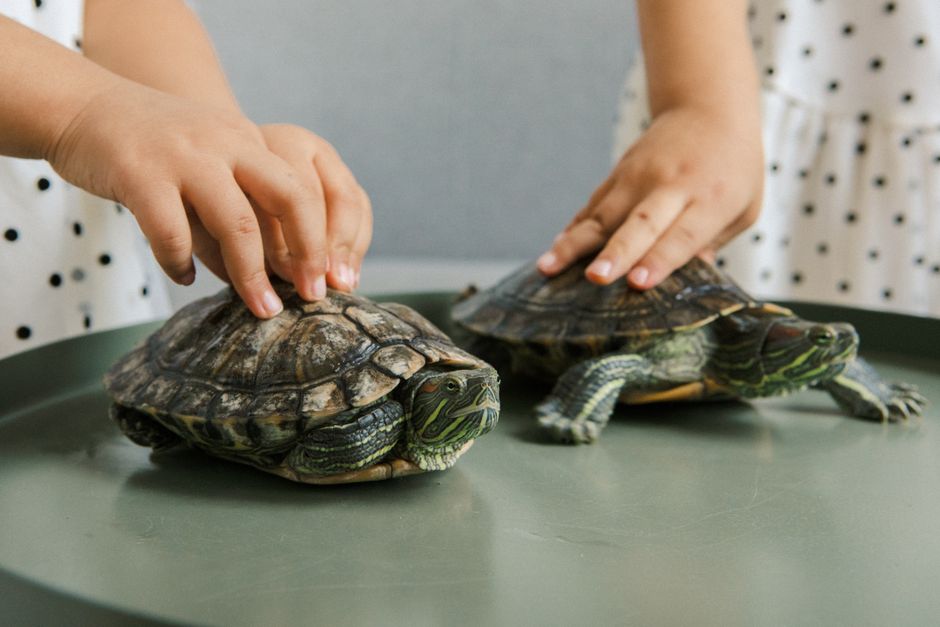
Handling and socializing with your turtle can help create a bond between you and your pet. Turtles may not enjoy being handled as much as other pets, but gentle interaction can help them become more comfortable with your presence. When handling your turtle, always support its body properly and avoid picking it up by the shell. Additionally, providing enrichment activities and a variety of stimuli in their habitat can help keep your turtle mentally stimulated and engaged.
Handling and Socializing
Handling: Proper handling of your turtle is essential to ensure both your safety and the well-being of the turtle. When picking up your turtle, always support its body with both hands to avoid causing stress or injury. Avoid grabbing the turtle by its tail, as this can be harmful and cause distress. Additionally, make sure to wash your hands before and after handling your turtle to prevent the spread of germs.
Socializing: While turtles may not be as social as some other pets, they can still benefit from interaction with their owners. Spend time near the turtle’s habitat, talking to it in a calm and soothing voice. Offer occasional treats to create positive associations. However, be mindful that turtles have different personalities, so some may be more receptive to socializing than others. Respect your turtle’s boundaries and signs of distress, and always provide a safe and comfortable environment for them to retreat to when needed.
Health and Wellness
Health and wellness are crucial aspects of caring for your pet turtle. Regular health check-ups with a reptile veterinarian are essential to ensure your turtle is in good condition. Look out for signs of illness such as lack of appetite, lethargy, swelling, or unusual behavior. Maintaining a clean habitat with proper water filtration and temperature regulation is key to preventing diseases.
6.1 Common Health Issues
Common health issues in turtles include respiratory infections, shell rot, and vitamin deficiencies. Respiratory infections can be caused by improper temperature or humidity levels. Shell rot often results from poor water quality or injuries. Vitamin deficiencies can lead to various health problems, so it’s crucial to provide a balanced diet and proper lighting for your turtle’s overall well-being.
6.2 Preventive Care
Preventive care plays a significant role in maintaining your turtle’s health. Regularly clean and disinfect the habitat, including the water and basking areas. Ensure your turtle gets enough exposure to natural sunlight or UVB lighting to aid in vitamin D synthesis. Proper nutrition is essential, so offer a variety of foods and supplements as recommended by your vet to prevent potential health issues.
Summary: In conclusion, caring for a pet turtle can be a rewarding experience that requires dedication and responsibility. By following the guidelines outlined in this guide, you can provide a safe and comfortable environment for your turtle to thrive. Remember to choose the right turtle species that suits your lifestyle and living space, set up a proper habitat with adequate lighting, heating, and water requirements, and feed your turtle a well-balanced diet to promote its health and longevity.
Final Thoughts: Additionally, it is essential to handle and socialize with your turtle regularly to build trust and strengthen your bond. Monitoring your turtle’s health and wellness is crucial for early detection of any potential issues. Overall, with proper care and attention, your pet turtle can live a happy and fulfilling life as a beloved member of your family. Thank you for following this guide, and we wish you and your turtle many years of joy and companionship.