
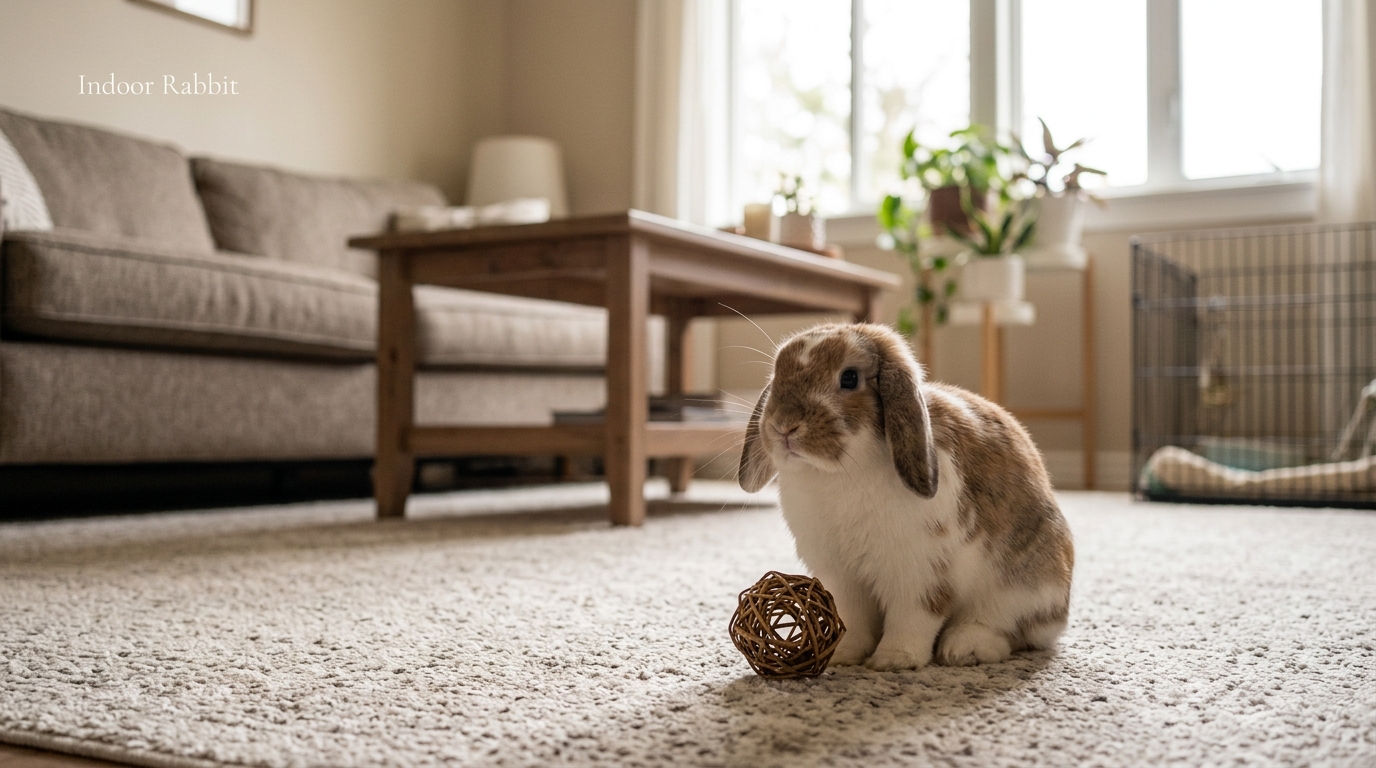
Are you struggling to create the best habitats for your guinea pigs? Many pet owners face the problem of providing a suitable living environment that meets their furry friends’ needs. The agitation of not knowing the ideal setup can lead to stress for both you and your guinea pigs.
But fear not! The solution is simpler than you think. By understanding the key elements that make up the best habitats for guinea pigs, you can ensure a happy and healthy life for your beloved pets. From bedding choices to cage size and enrichment activities, we’ll cover everything you need to know to create the perfect living space for your guinea pigs. Say goodbye to uncertainty and hello to a harmonious cohabitation with your small companions!
Outdoor Hutches
Outdoor hutches are essential for providing rabbits with a safe and comfortable living space in an outdoor environment. These structures are typically made of wood and wire mesh, providing protection from predators and the elements. When selecting an outdoor hutch, it is important to choose one that is spacious enough to allow for ample movement and exercise. The hutch should also have a solid roof to provide shade and protection from rain, as well as a solid floor to prevent digging and escape.
Proper ventilation is crucial in outdoor hutches to prevent overheating in hot weather and ensure good air circulation. Regular cleaning and maintenance of the hutch are necessary to keep it sanitary and prevent the buildup of waste and bacteria. It is also important to provide shelter within the hutch, such as a cozy nesting area and a hiding spot, to give rabbits a sense of security and comfort in their outdoor environment.
C&C Cages
C&C cages, also known as Cubes and Coroplast cages, are customizable and versatile housing options for small pets like guinea pigs and rabbits. These cages are made from wire grids (cubes) and coroplast (corrugated plastic) sheets, allowing owners to design the layout and size according to their pets’ needs. The wire grids provide ventilation and visibility, while the coroplast base is easy to clean and maintain.
One of the main advantages of C&C cages is their flexibility in configuration. Owners can easily expand or modify the cage by adding or removing panels to accommodate multiple pets or create separate living and play areas. The open design of C&C cages also promotes interaction between the pet and its owners, making it easier to bond and provide enrichment activities. However, it’s essential to ensure that the grids are securely connected and that the coroplast base is durable to prevent escapes and injuries.
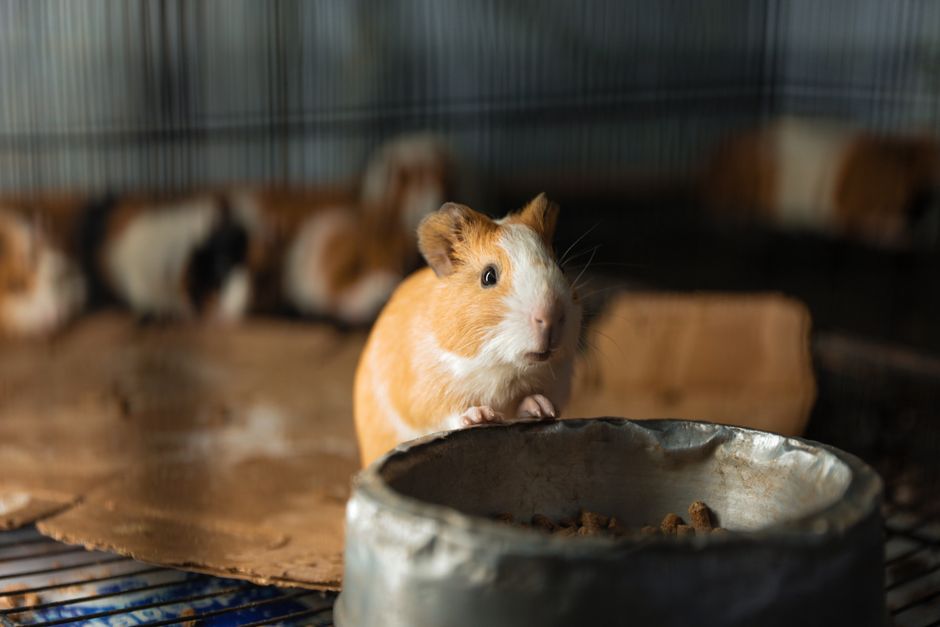
Playpens
Playpens provide a versatile and secure space for small pets to explore and play outside of their usual enclosures. These portable enclosures are typically made of lightweight materials such as mesh or wire, allowing for easy setup and transportation. Playpens come in various sizes to accommodate different types of small animals, providing ample room for exercise and enrichment.
Playpens with attached runs offer additional space for pets to stretch their legs and enjoy the outdoors safely. Some playpens feature covers to protect pets from predators or harsh weather conditions. When using a playpen, it’s essential to supervise your pet to ensure their safety and prevent any escape attempts. Providing toys and accessories inside the playpen can further enhance your pet’s playtime experience.
Pens with Runs
Overview: Pens with runs are versatile enclosures that provide both a confined space for safety and a larger area for exercise and exploration. These setups typically consist of a pen or cage attached to a secure outdoor run, offering pets the opportunity to experience the outdoors while remaining protected.
Benefits: Pens with runs offer a balance between safety and freedom for small animals like rabbits, guinea pigs, and other small pets. They provide ample space for running, hopping, and grazing, promoting physical activity and mental stimulation. Additionally, these setups allow for fresh air and exposure to natural sunlight, contributing to the overall well-being of the animals.
DIY Habitats
DIY habitats offer a budget-friendly and customizable option for housing your small pets. By creating your own habitat, you have the flexibility to design a space that meets the specific needs of your pet while also reflecting your personal style. One popular DIY habitat option is converting furniture or storage units into multi-level cages, providing ample space for your pet to explore and play.
Another creative DIY habitat idea is using PVC pipes and connectors to construct a custom cage structure. This method allows you to create a unique and sturdy enclosure that can be easily modified or expanded as needed. Additionally, building your own habitat can be a rewarding project that strengthens the bond between you and your pet as you work together to create a comfortable and stimulating living space.
Enriched Enclosures
Enriched enclosures are habitats designed to provide a stimulating and engaging environment for small pets such as rabbits and guinea pigs. These enclosures go beyond just meeting the basic needs of food, water, and shelter, by incorporating elements that promote physical activity, mental stimulation, and natural behaviors.
Enriched enclosures typically include features like hiding spots, tunnels, platforms, ramps, toys, and foraging opportunities to encourage exploration and exercise. Providing a variety of textures, materials, and challenges can help prevent boredom and promote overall well-being. Additionally, incorporating natural elements such as hay, grass, and safe plants can mimic the animals’ natural habitat and provide a more enriching experience.