

Are you struggling to create the perfect environment for your pet reptile? Setting up a reptile terrarium can be a daunting task for many reptile owners. Without the right setup, your reptile may not thrive as it should, leading to potential health issues or stress.
But fear not, as we have the solution for you! In this guide, we will walk you through the step-by-step process of setting up a reptile terrarium that will meet all of your pet’s needs. From choosing the right enclosure to setting up heating and lighting, we’ve got you covered. Say goodbye to guesswork and hello to a happy, healthy reptile with our easy-to-follow tips and tricks.
Choosing the Right Tank
Size: When choosing a tank for your pets, consider the size based on the number and type of reptiles you plan to keep. Make sure the tank provides ample space for your pets to move around freely and exhibit natural behaviors.
Material: Tanks are commonly made of glass, acrylic, or plastic. Glass tanks are durable and provide better insulation, while acrylic tanks are lightweight and less prone to breakage. Plastic tanks are affordable but may scratch easily.
Accessibility: Opt for a tank with front-opening doors for easier access during feeding, cleaning, and handling. Ensure the doors have secure locking mechanisms to prevent escapes and keep your pets safe.
Substrate and Decor
Substrate: Choosing the right substrate is crucial for the health and well-being of your tank inhabitants. Substrate serves as the foundation for your tank and can impact water quality, plant growth, and overall aesthetic. Common substrate options include gravel, sand, and soil. Consider the specific needs of your tank’s inhabitants when selecting a substrate, ensuring it provides proper support and is easy to clean.
Decor: Adding decorations to your tank not only enhances its visual appeal but also provides hiding spots and stimulation for your aquatic pets. When choosing decor, opt for items that are safe for your tank’s inhabitants and won’t leach harmful substances into the water. Rocks, driftwood, plants, and caves are popular choices that can create a natural and engaging environment for your fish or reptiles. Remember to arrange decor in a way that allows for swimming space and easy maintenance.
Heating and Lighting
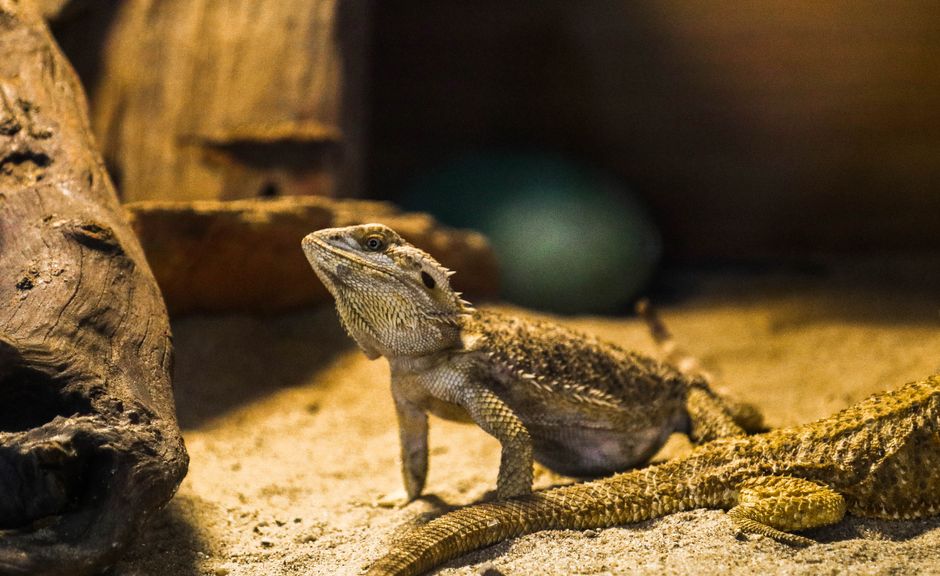
Heating: Providing the right temperature is crucial for the well-being of your reptile. Different species have specific temperature requirements, so it’s important to research and understand the needs of your pet. Utilize heat lamps, heat pads, ceramic heaters, or under-tank heating pads to create a temperature gradient within the enclosure. A digital thermometer and thermostat are essential tools to monitor and regulate the temperature accurately. Ensure there are warm and cool areas in the tank to allow your reptile to thermoregulate effectively.
Lighting: Proper lighting is essential for the health of reptiles, especially those that require UVB radiation for synthesizing vitamin DUVB light aids in calcium metabolism and prevents metabolic bone diseases. Invest in full-spectrum UVB lighting fixtures designed for reptiles, placing them at the appropriate distance from basking spots. Follow a proper lighting schedule mimicking natural day-night cycles to maintain the reptile’s circadian rhythm. Regularly replace UVB bulbs as their output diminishes over time, typically every 6-12 months depending on the manufacturer’s recommendations.
Humidity and Moisture
Humidity levels play a crucial role in creating a suitable environment for your tank inhabitants. Reptiles, amphibians, and certain fish species have specific humidity requirements that must be met to ensure their health and well-being. Monitor humidity levels regularly using a reliable hygrometer and adjust as needed to maintain the optimal range for your pet’s species.
Maintaining proper moisture levels in the tank is essential for supporting hydration, shedding, and overall health. Provide a water source for drinking and ensure that the substrate retains moisture without becoming waterlogged. Incorporating live plants, misting systems, or humidifiers can help regulate humidity levels and create a comfortable habitat for your pets.
Feeding and Care
Feeding: Providing the right diet is crucial for the health and well-being of your tank inhabitants. Research the specific dietary needs of each species in your tank and offer a varied diet to ensure they receive all the necessary nutrients. Overfeeding can lead to water quality issues, so it is important to feed your fish, invertebrates, and plants in moderation.
Care: Regular monitoring of your tank is essential to catch any potential issues early on. Check water parameters such as temperature, pH, ammonia, and nitrate levels regularly and make adjustments as needed. Perform routine water changes to maintain water quality and remove debris. Keep an eye out for any signs of illness or stress in your tank inhabitants and address any issues promptly to prevent further problems.
Maintenance and Cleaning
Maintenance and cleaning are essential tasks to ensure a healthy and thriving tank environment for your reptile. Regular maintenance involves checking and adjusting the temperature and humidity levels, cleaning the tank walls, substrate, decor, and water dishes. It’s important to remove any uneaten food promptly to prevent mold growth and maintain cleanliness. Regularly inspecting for any signs of illness or injury in your reptile is crucial for early detection and treatment.
Cleaning the Tank
Cleaning the tank involves a thorough process to remove waste, bacteria, and algae buildup. Start by removing your reptile to a temporary holding container with appropriate heating and lighting. Remove all decor, substrate, and water dishes from the tank. Use a reptile-safe cleaner or a mixture of water and vinegar to scrub the tank walls and floor. Rinse everything thoroughly with clean water before replacing the decor, substrate, and water dishes. Ensure everything is dry before reintroducing your reptile back into the tank.