
Have you recently brought your furry friend home after surgery and are feeling overwhelmed with the care they need? It’s common to experience agitation when trying to navigate the post-operative period for your pet. But fret not, as there are simple yet effective solutions to ensure your pet recovers smoothly and comfortably.
Understanding how to care for a pet after surgery is crucial for their well-being. By following the right steps and providing proper attention, you can help your pet heal quickly and reduce any complications that may arise. Let’s dive into the essential tips and tricks to make the recovery process a breeze for both you and your beloved companion.
Preparing Your Home
Creating a comfortable and safe environment for your pet’s recovery is essential to ensure a smooth post-surgery period. Begin by designating a quiet and cozy space where your pet can rest undisturbed. Remove any hazards or obstacles that could potentially harm your pet, such as sharp objects or slippery surfaces. It’s also advisable to use baby gates or barriers to restrict your pet’s movement if necessary.
Provide soft bedding, food, water, and litter boxes within easy reach to minimize your pet’s need to move around excessively. Keep the area clean and well-ventilated to prevent infections. Consider using a cone or e-collar to prevent your pet from licking or chewing at the surgical site. Lastly, ensure that your pet’s recovery space is warm and inviting to promote relaxation and healing.
Post-Surgery Care Instructions
Home Environment: After surgery, it is crucial to provide a quiet and comfortable environment for your pet to recover. Create a cozy and warm resting area away from high-traffic areas. Keep the space clean and free from hazards that could cause injury. Monitor your pet closely to prevent excessive movement and ensure they have easy access to food, water, and a litter box if needed.
Medication Administration: Following surgery, your veterinarian may prescribe medications to manage pain, prevent infection, or aid in healing. It is essential to administer these medications as directed. Make sure to follow the dosage instructions carefully and complete the full course of medication, even if your pet appears to be improving. If you have any concerns or notice any adverse reactions, contact your veterinarian immediately for guidance.
Monitoring Your Pet’s Recovery
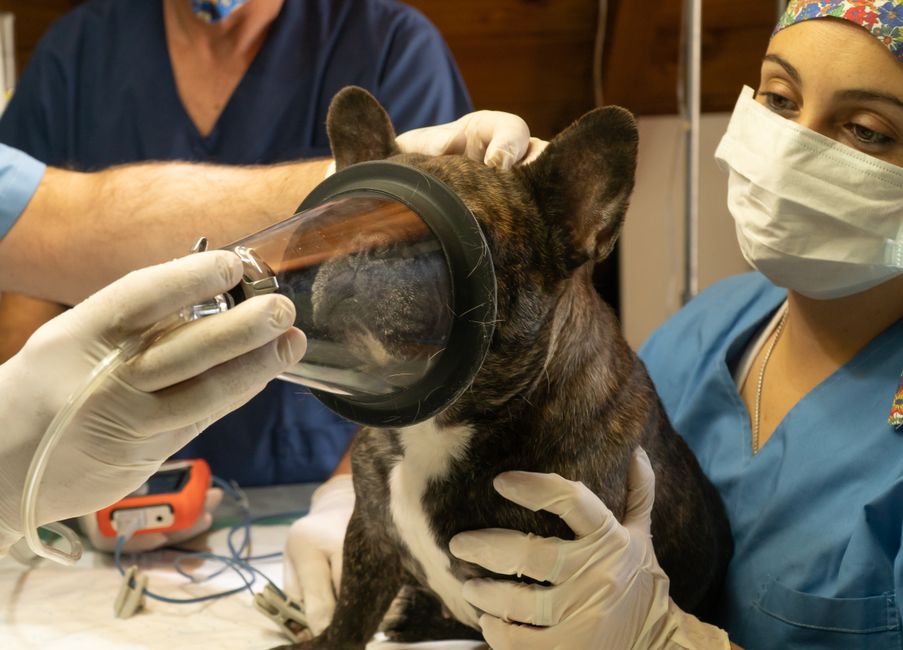
Observing Behavior: Monitoring your pet’s behavior is crucial during the recovery period. Pay attention to changes in appetite, water intake, energy levels, and overall demeanor. Any significant changes could indicate a problem that needs immediate attention. Additionally, observe the surgical site for signs of infection, excessive swelling, or discharge.
Administering Medication: Follow the veterinarian’s instructions carefully when it comes to administering medication to your pet. Keep track of the dosage and timing of each medication to ensure proper pain management and healing. If you notice any adverse reactions to the medication, contact your vet immediately for guidance on how to proceed.
Managing Pain and Discomfort
Pain Management: Managing your pet’s pain is crucial for their recovery and well-being. Your veterinarian will prescribe appropriate pain medication to keep your pet comfortable during the healing process. It’s essential to follow the dosage instructions provided and not to give any additional medications without consulting your vet.
Monitoring Signs of Discomfort: Keep a close eye on your pet for any signs of discomfort or distress. These may include whimpering, restlessness, decreased appetite, or reluctance to move. If you notice any of these signs, contact your veterinarian immediately for further guidance on managing your pet’s pain and well-being.
Follow-up Vet Visits
Regular Check-ups: Follow-up vet visits are crucial to ensure your pet’s proper recovery and monitor any potential complications. Your veterinarian will assess your pet’s progress, remove stitches if necessary, and provide further guidance on care.
Monitoring Health: During these visits, the vet will conduct thorough examinations to assess your pet’s overall health and healing progress. It is essential to follow any additional instructions provided by the veterinarian to address any issues promptly and ensure a successful recovery.
Summary: In conclusion, providing proper care and attention to your pet during the post-surgery period is crucial for a successful recovery. By following the guidelines outlined in this document, you can help ensure that your pet heals quickly and comfortably. Remember to monitor your pet closely, administer medications as prescribed, and contact your veterinarian if you notice any concerning symptoms or behaviors.
Final Thoughts: While the post-surgery period can be challenging, it is also a time to show your pet extra love and support. By being patient, observant, and proactive in your care, you can help your furry friend return to their normal self as soon as possible. Remember, your veterinarian is always there to provide guidance and assistance throughout the recovery process. Thank you for taking the necessary steps to ensure your pet’s well-being and health.