
Are you tired of your cat leaving scratch marks all over your furniture? It can be frustrating and costly to constantly replace or repair your beloved items. The sound of claws against wood or fabric is enough to make any cat owner cringe. But fear not, there is a solution to this common problem that many cat owners face.
By implementing effective strategies and techniques, you can put an end to your cat’s destructive scratching habits once and for all. Say goodbye to unsightly marks and hello to a scratch-free home. Keep reading to discover practical tips and tricks to stop your cat from scratching furniture, saving both your sanity and your wallet in the process.
Understanding Why Cats Scratch
Cats scratch for several reasons: It helps them stretch their muscles, remove the dead outer layer of their claws, mark their territory visually and with scent, and simply because it feels good. Scratching is a natural behavior for cats, and it is crucial for their physical and emotional well-being. Cats may also scratch when they are stressed, anxious, or bored, using it as a coping mechanism to alleviate their negative feelings.
Understanding your cat’s scratching behavior: By observing when and where your cat scratches, you can gain insights into their motivations. Pay attention to the texture of the surfaces they prefer, the height they stretch to, and whether they scratch more after certain events or interactions. This understanding will help you address your cat’s scratching needs effectively and provide appropriate alternatives to prevent destructive scratching behavior.
Providing Proper Scratching Surfaces
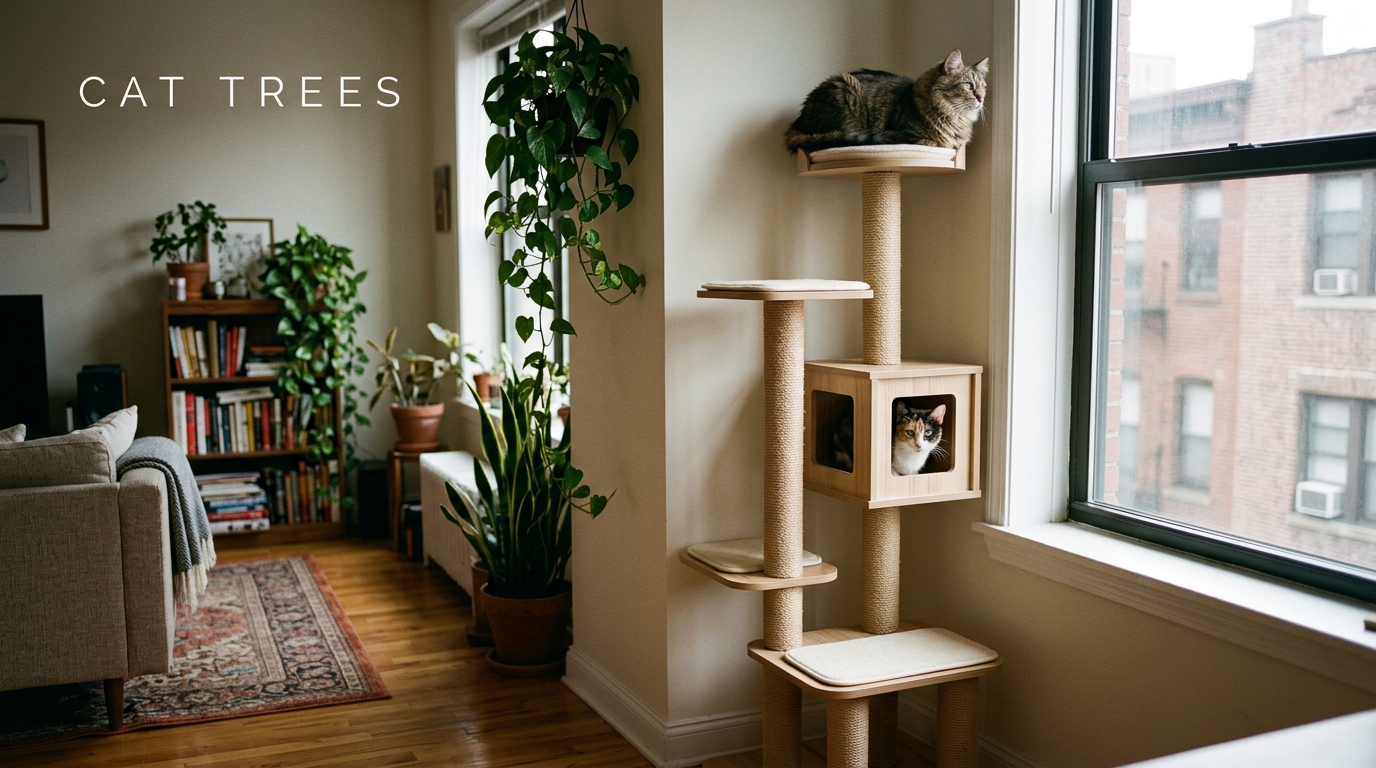
Choosing the right scratching surface for your cat is crucial to prevent them from scratching furniture or other inappropriate items in your home. Cats have individual preferences for materials and textures, so it’s essential to observe your cat’s scratching habits to determine their preferences. Common scratching surfaces include sisal, carpet, cardboard, and wood. Offering a variety of scratching surfaces can help cater to your cat’s specific needs and preferences.
Placement of scratching surfaces is also important in encouraging your cat to use them. Scratching posts should be placed in areas where your cat spends a lot of time, such as near their favorite sleeping spots or by windows. Placing scratching surfaces near items they tend to scratch inappropriately can also help redirect their behavior. It’s essential to provide multiple scratching surfaces throughout your home to ensure easy access for your cat wherever they are.
Using Deterrents and Repellents
Deterrents: Deterrents are tools or substances used to discourage cats from scratching in unwanted areas. One effective deterrent is double-sided tape, which cats dislike the sticky texture. Placing the tape on furniture or other scratching targets can help redirect their behavior. Another common deterrent is aluminum foil, as the sound and feel under their paws can be off-putting. Remember to provide alternative scratching surfaces nearby to guide the cat towards more appropriate options.
Repellents: Repellents are substances that have a scent or taste that cats find unpleasant. Citrus-based sprays are a popular repellent choice, as most cats dislike the smell. Applying these sprays to furniture or areas where scratching is not allowed can help deter them. Bitter apple spray is another effective repellent, as its taste is unappealing to cats. It’s important to test these repellents on a small area first to ensure your cat reacts as expected. Consistent use of deterrents and repellents can help train your cat to avoid scratching in undesirable locations.
Training Your Cat
Cat training is an essential aspect of owning a feline companion. Through training, you can teach your cat appropriate behaviors and boundaries, including scratching behaviors. Consistency is key when training your cat, as they respond well to routines and repetition.
Positive reinforcement is a highly effective training method for cats. Rewarding your cat with treats, praise, or playtime when they exhibit desired scratching behaviors can help reinforce those actions. It’s important to avoid punishment-based training techniques, as they can lead to fear and aggression in cats.
Seeking Professional Help
When to Seek Professional Help: If your cat continues to exhibit destructive scratching behavior despite your best efforts, it may be time to seek help from a professional. A veterinarian or animal behaviorist can assess the situation and provide tailored advice and solutions to address the root cause of the behavior.
Consulting with a Veterinarian: A veterinarian can rule out any underlying medical issues that may be contributing to your cat’s scratching behavior. They can also recommend behavioral interventions or medication if necessary. It’s essential to follow your vet’s recommendations closely to improve your cat’s quality of life and prevent further damage to your home.
Congratulations on completing this guide on cat scratching behavior! By understanding the reasons behind why cats scratch, providing appropriate scratching surfaces, utilizing deterrents, and incorporating training techniques, you are well-equipped to manage and modify your cat’s scratching habits. Remember, scratching is a natural behavior for cats, and it is essential to address it in a positive and constructive manner.
Consistency and patience are key when implementing strategies to prevent unwanted scratching. With time and effort, you can create a harmonious environment where your cat can express their natural instincts without causing damage to your furniture or belongings. By working together with your feline companion and seeking professional guidance when needed, you can foster a strong bond and ensure a happy and healthy relationship with your cat for years to come.