
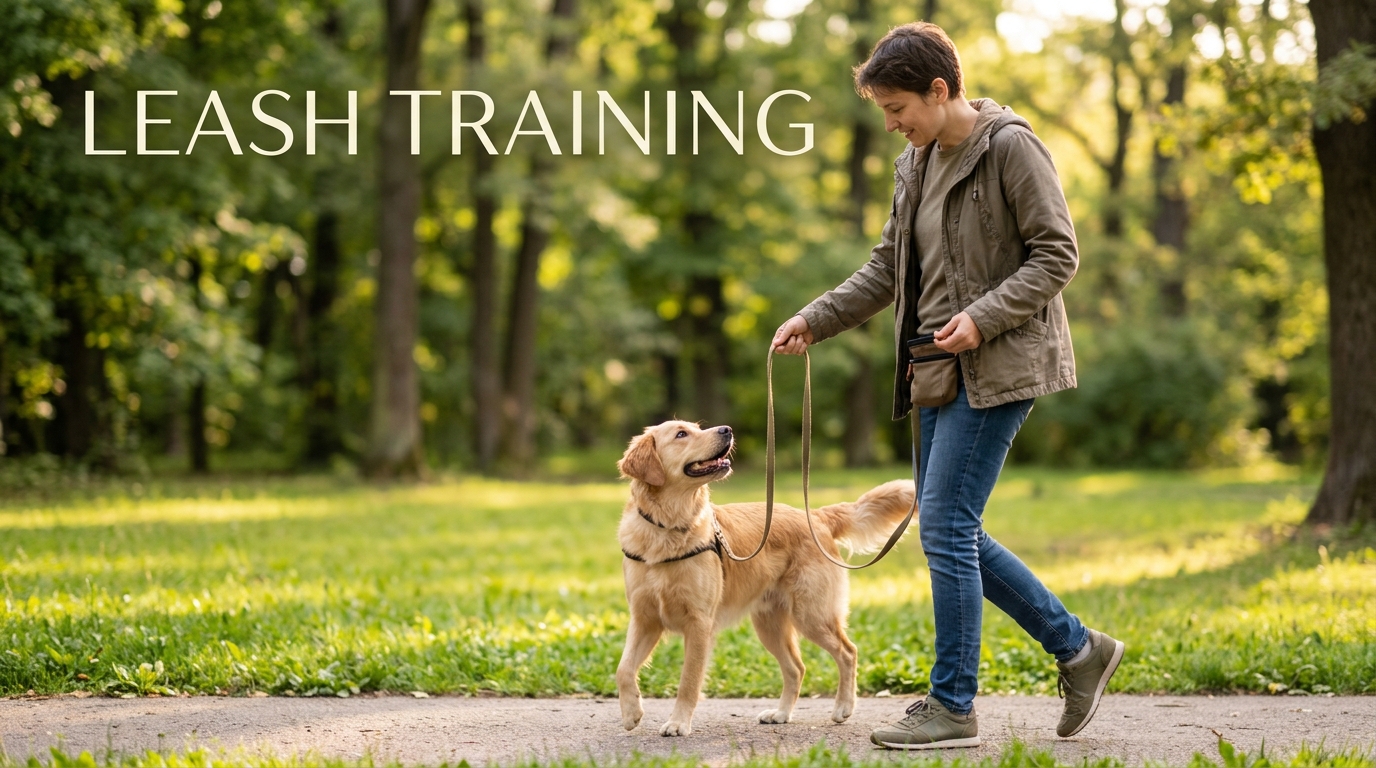
Are you tired of your dog pulling you every time you go for a walk? It can be frustrating and even dangerous. Many dog owners struggle with teaching their furry friends to walk on a leash without pulling. The constant tugging and jerking can make walks unpleasant for both you and your pup.
Luckily, there is a solution. By following a few simple steps and implementing consistent training techniques, you can teach your dog to walk on a leash like a pro. Say goodbye to the pulling and hello to enjoyable walks with your canine companion. Keep reading to discover how you can transform your walks with your dog starting today!
Benefits of Leash Training
Improved Safety: Leash training provides a crucial layer of protection for both your dog and others. By keeping your pet close and under control, you can prevent them from running into dangerous situations such as traffic or encounters with aggressive animals. This helps to reduce the risk of accidents and injuries, ensuring a safer outdoor experience for everyone involved.
Bonding and Communication: Leash training fosters a stronger bond between you and your dog by establishing trust and clear communication. Through consistent leash training, your furry companion learns to follow your lead and understand your cues, strengthening the relationship between you. This enhanced communication not only makes walks more enjoyable but also carries over to other aspects of your pet’s training and behavior.
Choosing the right leash
Material: Consider the material of the leash based on your dog’s size, strength, and behavior. For smaller or calmer dogs, a lightweight nylon leash may suffice, while larger or more energetic dogs may require a sturdy leather or chain leash for better control.
Length: The length of the leash is crucial for both safety and training purposes. A standard 6-foot leash provides enough freedom for your dog to explore while still allowing you to maintain control. Shorter leashes can help with obedience training, while longer leashes are ideal for activities like tracking or recall training.
Steps to teach your dog to walk on a leash
Start indoors: Begin by getting your dog comfortable with wearing the leash. Let them sniff and explore it. Attach the leash and let them walk around the house with it on. Reward them with treats and praise for positive behavior.
Practice in a quiet area: Once your dog is used to the leash indoors, move to a quiet outdoor area with minimal distractions. Encourage your dog to walk beside you by using treats or a favorite toy as a reward. Start with short walks and gradually increase the distance.
Use positive reinforcement: Whenever your dog walks nicely on the leash, reward them with treats, praise, or playtime. Avoid punishing or yanking the leash when they pull. Positive reinforcement will help them associate walking on a leash with good things.
Teach basic commands: Incorporate basic commands like “sit,” “stay,” and “heel” into your leash training routine. Practice these commands during walks to reinforce good behavior and establish a strong communication bond with your dog.
Common Mistakes to Avoid
Not Consistent: One common mistake in leash training is not being consistent with your commands and expectations. Dogs thrive on routine and consistency, so it’s crucial to always use the same cues and signals when teaching them to walk on a leash. Inconsistency can lead to confusion and slow down the training process.
Using a Retractable Leash Incorrectly: Another mistake is using a retractable leash improperly. While retractable leashes offer flexibility, they can also teach your dog to pull and roam too far ahead. It’s essential to use a retractable leash responsibly, always keeping your dog close and maintaining control over their movements.
Not Addressing Pulling Behavior: Many dog owners make the mistake of not addressing pulling behavior early on. Pulling on the leash can become a habit that is challenging to break, so it’s essential to address this issue promptly. Implementing training techniques to discourage pulling and reinforce loose leash walking is key to successful leash training.
Troubleshooting Tips
Leash pulling: If your dog constantly pulls on the leash during walks, try using a front-clip harness or head halter to discourage pulling. Additionally, practice walking with your dog in a controlled environment, rewarding them for walking calmly by your side. Consistency and patience are key to overcoming leash pulling behavior.
Fear or anxiety: If your dog shows signs of fear or anxiety while on a leash, gradually desensitize them to the leash by associating it with positive experiences. Start by leaving the leash out for your dog to investigate, then progress to short walks in familiar surroundings. Provide reassurance and rewards to help your dog build confidence on the leash.
Leash training is a crucial aspect of responsible pet ownership. It not only ensures the safety of your dog but also enhances the bond between you and your furry companion. By investing time and effort in leash training, you are setting the foundation for enjoyable walks and outings with your dog.
Remember, consistency and patience are key when it comes to leash training. Celebrate small victories, and don’t get discouraged by setbacks. With the right approach and positive reinforcement, your dog will learn to walk calmly and confidently on a leash. Enjoy the journey of training your dog, and cherish the moments spent together outdoors.