

Are you struggling to teach your kids how to care for pets? Many parents face the challenge of instilling responsibility and compassion in their children when it comes to taking care of animals. The result? Unhappy pets and frustrated parents.
But fear not! There is a simple solution to this common problem. By implementing fun and engaging activities, setting clear expectations, and providing proper guidance, you can effectively teach your kids how to care for pets. In this article, we will explore practical tips and strategies to help you empower your children to become responsible pet owners and develop a lifelong love and respect for animals.
Choosing the Right Pet for Your Family
When choosing a pet for your family, it is essential to consider factors such as the size of your living space, the time you can dedicate to pet care, and the age of your children. Different pets have varying needs and temperaments, so it’s crucial to select one that aligns with your family’s lifestyle. For families with young children, a low-maintenance pet like a fish or a small rodent may be more suitable, while families with older children may opt for a dog or a cat that requires more attention and interaction.
Researching different pet species and breeds can help you make an informed decision. Consider factors such as the pet’s size, exercise requirements, grooming needs, and compatibility with children. Visiting local shelters and rescue organizations can also be a great way to find a pet that needs a loving home and fits well with your family dynamic. Ultimately, choosing the right pet for your family is a significant decision that can bring joy and companionship for years to come.
Setting Up a Pet Care Routine for Kids
Establishing a pet care routine for kids is essential to ensure the well-being of the pet and teach responsibility. Start by creating a schedule that includes feeding times, playtime, grooming sessions, and other necessary tasks. Make sure the routine is age-appropriate and manageable for the child to follow consistently. Encourage children to take ownership of specific tasks and hold them accountable for their responsibilities. Consistency is key in establishing a routine that becomes a habit for both the child and the pet.
Creating a Pet Care Chart
One effective way to help kids stay on track with their pet care routine is by creating a visual pet care chart. Include tasks such as feeding, walking, cleaning, and grooming on the chart, assigning each task to a specific day and time. This visual aid serves as a reminder for children to complete their responsibilities and allows parents to track their progress. Encourage children to check off tasks once completed and provide positive reinforcement for their efforts. By involving kids in the planning and monitoring of the pet care routine, they develop a sense of ownership and pride in caring for their furry friend.
Teaching Kids to Feed and Water Pets
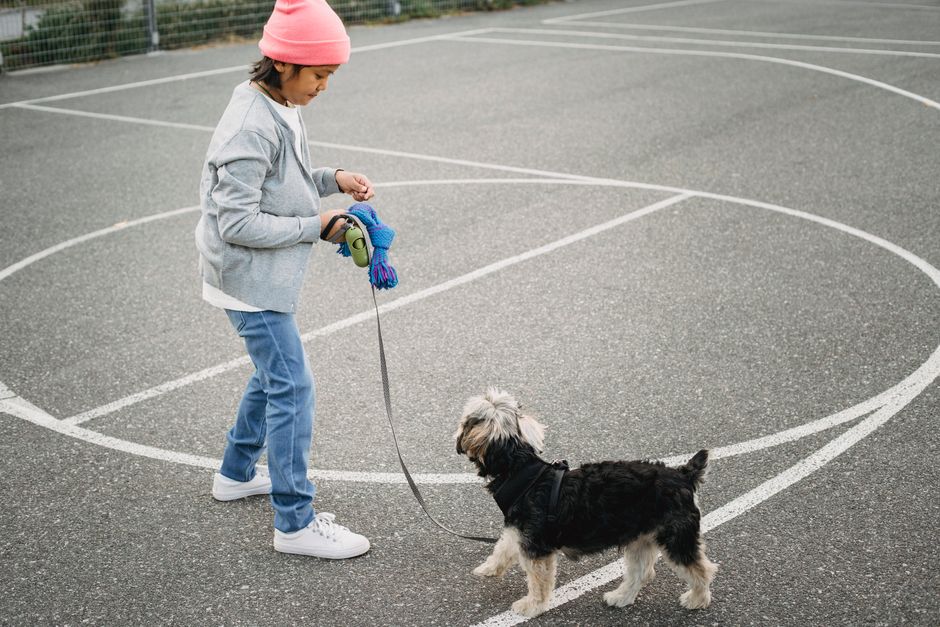
Feeding and watering pets are essential responsibilities when teaching kids to care for animals. By involving children in these tasks, they learn valuable lessons in responsibility and compassion. It is crucial to educate them on the proper diet and feeding schedule for each type of pet to ensure their well-being. Encourage children to follow a routine and provide fresh water daily to keep pets healthy and hydrated.
Understanding Pet Nutrition
Teaching kids about the nutritional needs of pets is vital for their overall health. Explain the importance of a balanced diet and the specific dietary requirements of different animals. Help children understand portion sizes and the significance of feeding the right amount to prevent overeating or malnutrition. By involving kids in meal planning and preparation, they develop a deeper connection with their pets and learn to appreciate the role of nutrition in animal care.
Teaching Kids to Groom Pets
Grooming pets is an essential aspect of pet care that not only helps maintain their physical appearance but also contributes to their overall health and well-being. Teaching kids how to groom pets can instill a sense of responsibility and empathy towards animals. Start by demonstrating the proper grooming techniques to children, such as brushing fur, trimming nails, and cleaning ears.
Encourage kids to participate in grooming sessions under supervision to ensure the safety and comfort of both the pet and the child. Use positive reinforcement and praise to motivate children to take an interest in grooming tasks. By involving kids in the grooming process, they can develop a bond with the pet and learn the importance of regular grooming in keeping pets happy and healthy.
Teaching Kids to Clean Up After Pets
Cleaning up after pets is an essential part of responsible pet ownership. It teaches kids valuable lessons in accountability, discipline, and empathy towards animals. By involving children in cleaning tasks such as scooping litter boxes, picking up pet waste, and tidying pet living areas, parents instill a sense of respect for the environment and the well-being of their furry companions. Encouraging kids to take an active role in maintaining cleanliness also helps in preventing the spread of diseases and ensures a safe and hygienic living space for both pets and humans.
The Importance of Supervision
It is crucial for parents to supervise kids while they clean up after pets. This supervision ensures that the tasks are done properly and safely. Parents can use this time to teach children the correct way to handle waste, the importance of washing hands after cleaning, and how to use cleaning products responsibly. By supervising these activities, parents can also monitor the child’s interaction with the pet and offer guidance on maintaining a positive and respectful relationship.
Teaching Kids to Play and Interact with Pets
Engaging with pets through play and interaction is essential for building a strong bond between children and their animal companions. Encouraging kids to play with pets not only provides physical exercise for the animals but also fosters emotional connections. Interactive play helps children learn about communication, empathy, and responsibility.
Teaching kids to interact with pets respectfully is crucial for their safety and the well-being of the animals. Children should be taught how to approach pets gently, read their body language, and understand their boundaries. Teaching proper ways to play with pets, such as using toys and avoiding rough behavior, helps create a positive and harmonious relationship between kids and their furry friends.