

Is your furry friend feeling anxious and withdrawn in social situations? Dealing with a shy dog can be challenging, but the good news is that there are effective ways to help them come out of their shell. Socializing a shy dog is crucial for their well-being and happiness, as well as for building a strong bond with your pet.
By understanding the problem of shyness in dogs, addressing their agitation, and implementing proven solutions, you can gradually help your pup become more confident and sociable. With patience, consistency, and the right approach, you can transform your shy dog into a more outgoing and happy companion who enjoys interacting with others. Let’s explore some practical tips and techniques to socialize your shy dog and help them thrive in various social settings.
Socialization Techniques for Shy Dogs
Socialization is crucial for shy dogs to help them build confidence and trust in various situations. One effective technique is gradual exposure to new people, places, and experiences in a controlled and positive manner. Start by introducing your shy dog to familiar environments with minimal stimuli, then slowly progress to more challenging settings. Encourage positive interactions with treats, praise, and rewards to reinforce good behavior.
Positive reinforcement training techniques can also aid in socializing shy dogs. Use rewards such as treats or favorite toys to encourage desired behaviors during socialization sessions. Patience and consistency are key in helping a shy dog feel comfortable and secure in social situations. Avoid forcing interactions or overwhelming the dog, as this can lead to increased fear and anxiety.
Building Trust with a Shy Dog
Building trust with a shy dog is a crucial step in helping them overcome their fears and anxieties. Patience and consistency are key when establishing a bond with a timid canine companion. Start by creating a safe and comfortable environment for your shy dog, providing them with a quiet space where they can retreat when feeling overwhelmed. Avoid forcing interactions or pushing them out of their comfort zone too quickly.
Consistent positive reinforcement is essential in building trust with a shy dog. Use treats, praise, and gentle encouragement to reward desirable behaviors and help them feel more secure in your presence. Respect their boundaries and allow them to approach new situations at their own pace. Spend quality time together engaging in activities they enjoy, such as gentle walks or quiet play sessions, to strengthen your bond and build trust over time.
Overcoming Fear in Shy Dogs
Fear in shy dogs can be a significant obstacle to their well-being and quality of life. It is crucial to understand the root causes of their fear in order to help them overcome it. Shy dogs may exhibit fear due to past traumatic experiences, lack of socialization, genetic predisposition, or even a lack of confidence.
Overcoming fear in shy dogs requires patience, consistency, and positive reinforcement. Slowly exposing them to the source of their fear in a controlled environment, using desensitization and counter-conditioning techniques, can help them gradually build confidence and trust. It is essential to create a safe and supportive environment for the shy dog, where they feel secure and can learn to overcome their fears at their own pace.
Introducing a Shy Dog to New Environments
Creating a gradual introduction plan: When introducing a shy dog to new environments, it’s crucial to take a gradual approach. Start by exposing the dog to small doses of the new environment, such as spending short periods of time in the space. Slowly increase the duration of exposure as the dog becomes more comfortable. This gradual approach helps prevent overwhelming the dog and allows them to adjust at their own pace.
Using positive reinforcement: Positive reinforcement plays a key role in helping shy dogs adapt to new environments. Rewarding the dog with treats, praise, or toys when they show signs of comfort or curiosity in the new environment can help build positive associations. This encourages the dog to feel more at ease and confident in exploring unfamiliar surroundings. Consistent positive reinforcement can boost the dog’s confidence and make the new environment less intimidating.
Socializing a Shy Dog with Other Dogs
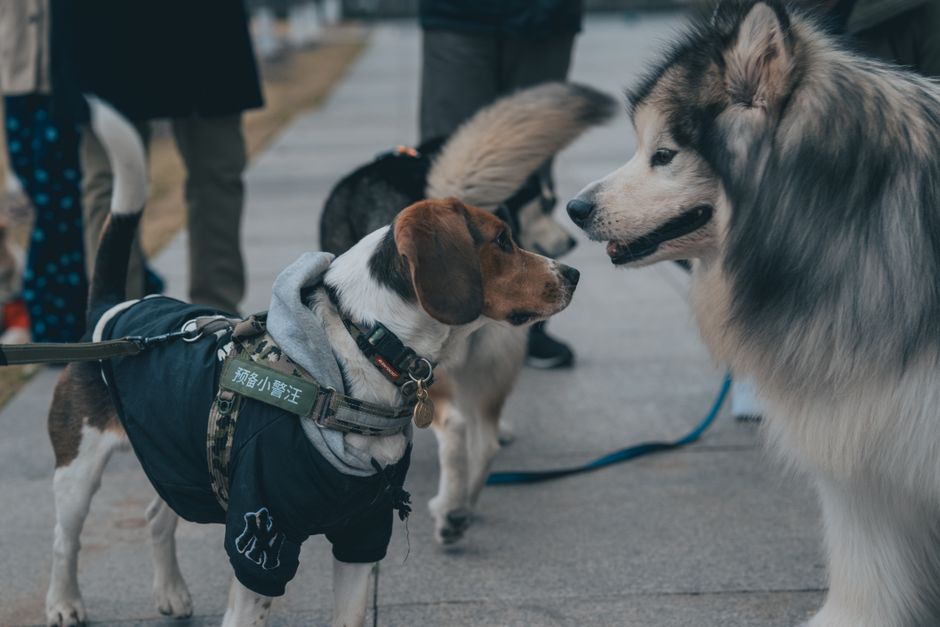
Socializing a shy dog with other dogs can be a gradual but rewarding process. It is essential to introduce them to well-socialized and friendly dogs in a controlled environment. Start by selecting calm and non-threatening dogs for the initial interactions. Allow the dogs to meet in a neutral territory where both feel comfortable. Observe their body language closely to ensure they are relaxed and engaged positively.
Gradually increase the duration and frequency of these social interactions to help your shy dog gain confidence. Encourage positive play behaviors and monitor for any signs of stress or discomfort. Keep the interactions short and always end on a positive note. Consistency and patience are key in helping a shy dog build trust and develop social skills with other dogs. Seek guidance from a professional trainer if you encounter challenges or need additional support.
Seeking Professional Help for Shy Dogs
When dealing with severe shyness or fearfulness in dogs, seeking professional help from a certified dog behaviorist or trainer can be beneficial. These professionals have the expertise and experience to assess your dog’s behavior accurately and develop a customized training plan to address their specific needs.
Professional help can provide guidance on techniques and strategies to help your shy dog overcome their fears and build confidence. They can also offer support and advice to help you understand your dog’s behavior better and create a safe and positive environment for them to thrive.