

Is your indoor cat showing signs of boredom and restlessness? Living exclusively indoors can sometimes lead to behavioral issues in our feline friends. But fret not, because there are simple yet effective ways to ensure your indoor cat stays happy and content.
By providing ample environmental enrichment, engaging playtime, and creating a stimulating indoor environment, you can significantly improve your cat’s overall well-being. In this guide, we will explore practical tips and strategies to raise a happy indoor cat, keeping them mentally and physically active. Say goodbye to cat boredom and hello to a joyful and fulfilled feline companion!
Creating a Cat-Friendly Environment
Setting Up Safe Spaces: Cats are territorial animals that appreciate having their own space. Ensure your home has designated areas where your cat can retreat to when they need privacy or a break from activity. Provide comfortable bedding, hiding spots, and vertical spaces for climbing and relaxation.
Enrichment Activities: Stimulate your cat’s natural instincts by offering interactive toys, scratching posts, and puzzle feeders. Rotate toys regularly to keep your cat engaged and prevent boredom. Consider creating window perches or outdoor enclosures to allow your cat to observe the surroundings safely.
Providing Proper Nutrition
Understanding your cat’s dietary needs is essential for their overall health and well-being. Cats are obligate carnivores, meaning they require a diet high in animal proteins. It is important to choose a high-quality cat food that is specifically formulated for their life stage, whether they are a kitten, adult, or senior. Additionally, ensure that your cat has access to fresh water at all times to prevent dehydration.
Feeding your cat on a regular schedule can help prevent obesity and digestive issues. Portion control is key to maintaining a healthy weight for your cat. Avoid feeding them excessive treats or table scraps, as this can lead to nutritional imbalances. Consult with your veterinarian to determine the appropriate feeding schedule and amount based on your cat’s age, size, and activity level.
Establishing a Play and Exercise Routine
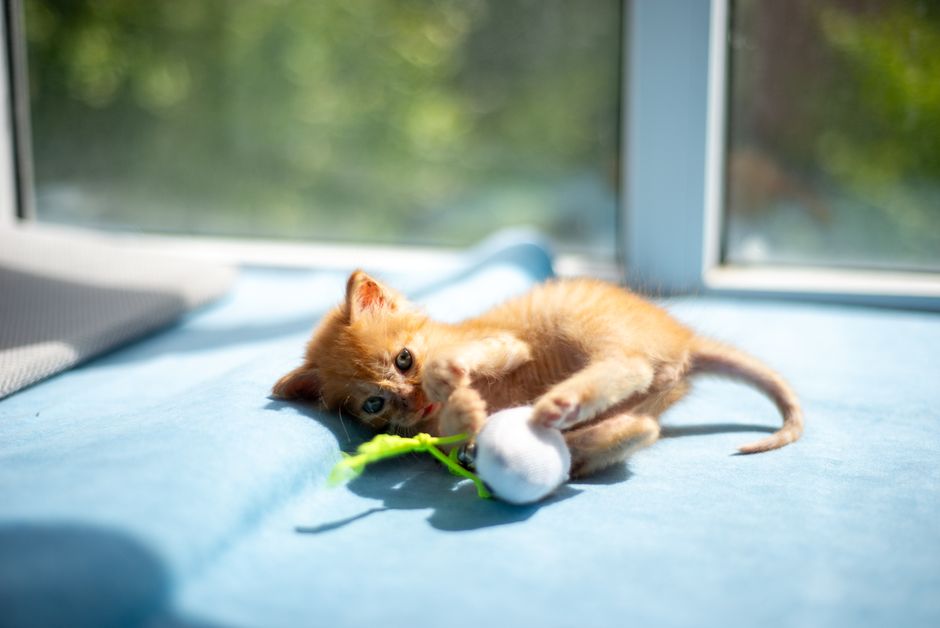
Regular play and exercise are essential for keeping your cat physically and mentally healthy. Cats are natural hunters and need opportunities to satisfy their instinctual behaviors through active play. Interactive toys such as feather wands, laser pointers, and puzzle feeders can engage your cat’s mind and body. Set aside dedicated time each day to play with your cat to prevent boredom and promote exercise.
Indoor cats, in particular, require stimulation and exercise to prevent obesity and behavioral issues. Create a stimulating environment with cat trees, scratching posts, and climbing shelves to encourage your cat to be active. Rotate toys regularly to keep playtime exciting and engaging. Additionally, consider incorporating activities like clicker training or agility exercises to provide mental challenges and physical exercise for your cat.
Understanding Cat Behavior
Understanding cat behavior is essential for providing a happy and healthy environment for your feline companion. Cats communicate through body language, vocalizations, and behaviors, so it’s important to learn how to interpret these signals. For example, a cat purring may not always indicate contentment; it can also be a sign of stress or discomfort. Observing your cat’s body language, such as tail position, ear movements, and eye contact, can help you understand their mood and intentions.
Common Cat Behaviors
Cats exhibit a variety of behaviors that are natural to their species, such as hunting, scratching, and territorial marking. Understanding these behaviors can help you provide appropriate outlets for your cat’s instincts. For example, providing scratching posts and interactive toys can help satisfy your cat’s need to scratch and hunt. Additionally, creating vertical spaces for climbing and perching can fulfill their natural desire to survey their environment and feel safe. By recognizing and accommodating your cat’s behaviors, you can foster a harmonious relationship based on mutual understanding and respect.
Grooming and Health Care Tips
Grooming: Regular grooming is essential for maintaining your cat’s health and appearance. Brush your cat’s coat regularly to prevent matting and reduce shedding. Use a cat-specific brush to avoid irritating their skin. Additionally, trim your cat’s nails every few weeks to prevent them from becoming too long and causing discomfort. It’s also important to clean your cat’s ears and teeth regularly to prevent infections and dental issues.
Health Care: Regular veterinary check-ups are crucial for ensuring your cat’s well-being. Schedule annual visits for vaccinations, parasite prevention, and overall health assessment. Be observant of any changes in your cat’s behavior, appetite, or litter box habits, as these could be signs of underlying health problems. Keep your cat’s living environment clean and provide a balanced diet to support their immune system. In case of an emergency or sudden illness, have a list of emergency vet contacts ready for quick access.
Building a Strong Bond with Your Indoor Cat
Spending quality time: Building a strong bond with your indoor cat involves spending quality time together. This can include interactive play sessions, grooming, cuddling, or simply sitting in the same room. Cats thrive on routine and consistency, so setting aside dedicated time each day for bonding activities can help strengthen your relationship.
Positive reinforcement: Positive reinforcement is key to building a strong bond with your indoor cat. Rewarding good behavior with treats, praise, or playtime can help create a positive association between you and your cat. Cats respond well to consistency and positive interactions, so be sure to reinforce good behavior regularly to nurture a strong and trusting relationship.