

Is your pet’s coat looking dull and unkempt? It’s time to address this common issue pet owners face. A lackluster coat can be a source of agitation for both you and your furry friend, but there are simple solutions to keep your pet’s coat healthy and shiny.
With the right care and attention, you can improve your pet’s coat health significantly. From proper grooming techniques to a balanced diet, these tips will help you achieve a vibrant and lustrous coat for your pet. Say goodbye to dull fur and hello to a happy, healthy companion with our expert advice on maintaining your pet’s coat.
Importance of a Healthy Coat
A Healthy Coat Reflects Overall Well-being: A shiny and lustrous coat is often an indicator of a pet’s overall health and well-being. A well-maintained coat not only enhances the appearance of the animal but also signifies good internal health. Regular grooming and proper nutrition are essential to maintain a healthy coat.
Protection and Insulation: A healthy coat serves as a protective barrier against environmental elements such as UV rays, moisture, and debris. In addition to protection, the coat also helps in regulating body temperature by providing insulation. A well-groomed coat can prevent skin issues, infections, and discomfort for the animal.
Proper Nutrition for a Healthy Coat
Nutrition plays a crucial role in maintaining a healthy coat for your pet. A balanced diet rich in essential nutrients is essential for promoting strong, shiny fur and healthy skin. Protein is a key component for coat health, as it helps in the growth and repair of hair follicles. Omega-3 fatty acids are also important for a lustrous coat, as they help reduce inflammation and keep the skin well-hydrated.
Key Nutrients for Coat Health
Vitamins and minerals are essential for maintaining a glossy coat. Vitamin E, for instance, acts as an antioxidant that helps protect the skin and coat from damage. Biotin, a B-complex vitamin, is known for improving coat quality and reducing shedding. Zinc is another important mineral that supports healthy skin and coat by aiding in cell turnover and repair.
Regular Grooming Practices
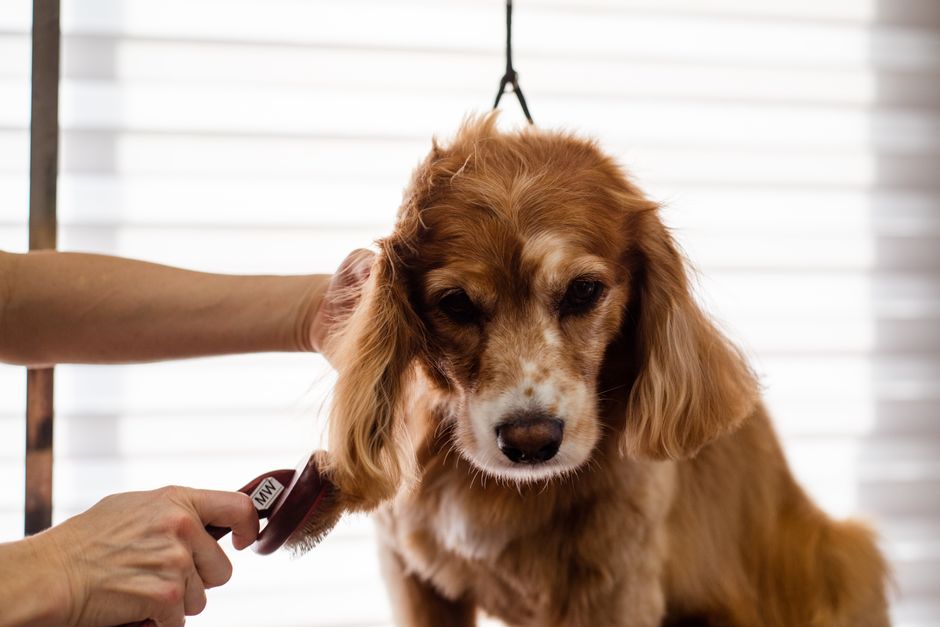
Regular grooming is essential for maintaining a healthy coat for your pet. Brushing your pet’s coat regularly helps to remove loose fur, dirt, and tangles, which can prevent matting and skin irritation. It also stimulates the production of natural oils in the skin, promoting a shiny and healthy coat. Depending on the type of coat your pet has, you may need to use different types of brushes or combs to effectively remove debris and distribute oils evenly.
In addition to brushing, regular baths are crucial for keeping your pet’s coat clean and healthy. Use a pet-safe shampoo and lukewarm water to wash your pet, making sure to thoroughly rinse to avoid skin irritation. Be cautious not to over-bathe your pet, as it can strip the coat of natural oils, leading to dryness and potential skin issues. Lastly, don’t forget about nail trimming, ear cleaning, and dental care as part of your pet’s overall grooming routine.
Avoiding Common Coat Issues
Common coat issues can impact your pet’s overall health and well-being. One common issue is matting, which occurs when the fur becomes tangled and clumped together. Matting not only causes discomfort for your pet but also increases the risk of skin infections. To avoid matting, it is important to regularly brush your pet’s coat, especially if they have long or thick fur.
Another common coat issue is excessive shedding. While some shedding is normal, excessive shedding can be a sign of underlying health issues or poor nutrition. To help reduce shedding, make sure your pet is on a balanced diet and consider supplementing with omega-3 fatty acids. Additionally, regular grooming and bathing can help remove loose fur and reduce shedding.
Professional Grooming Tips
Importance of Professional Grooming: Professional grooming services go beyond regular grooming practices by providing specialized care and expertise. These professionals are trained to handle various coat types and address specific grooming needs. They can help maintain the health and appearance of your pet’s coat, ensuring it remains in optimal condition. Additionally, professional groomers can detect any underlying skin issues or abnormalities early on, preventing potential health problems.
Tips for Choosing a Professional Groomer: When selecting a professional groomer for your pet, consider factors such as experience, certifications, and reviews from other pet owners. It’s essential to communicate your pet’s specific grooming requirements and any sensitivities they may have. Establishing a good rapport with the groomer can help ensure a positive grooming experience for your pet. Regular visits to a professional groomer can complement your at-home grooming routine, providing a comprehensive approach to keeping your pet’s coat healthy and well-maintained.
Summary: Maintaining a healthy coat for your pet is crucial for their overall well-being. By following proper nutrition guidelines, regular grooming practices, and avoiding common coat issues, you can ensure that your pet’s coat remains shiny, soft, and free from problems.
Final Thoughts: Remember that each pet is unique, so it’s essential to tailor your grooming routine and nutritional choices to suit their specific needs. Regular vet check-ups can also help in detecting any underlying health issues that may affect your pet’s coat. By investing time and effort into caring for your pet’s coat, you not only enhance their physical appearance but also contribute to their happiness and quality of life.