
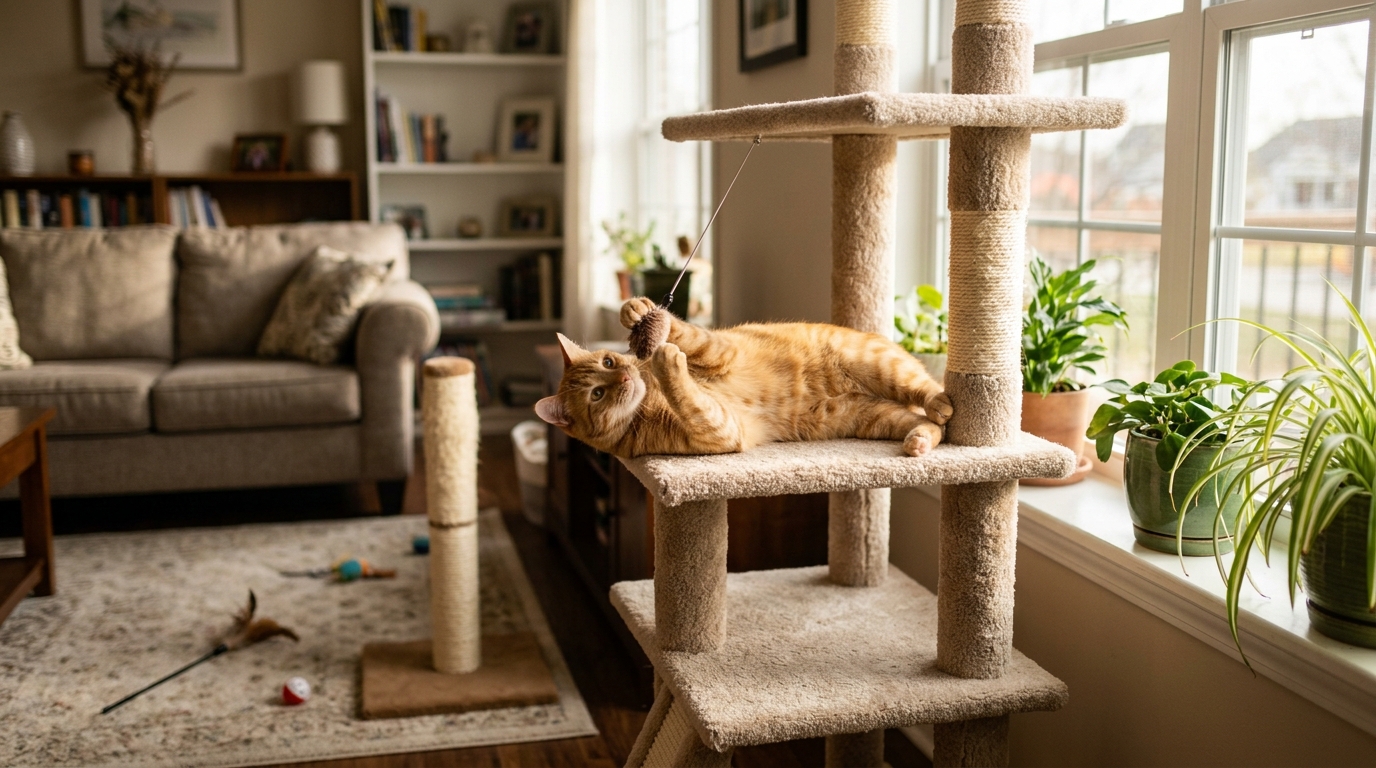
Do you struggle with understanding your cat’s behavior and providing the best care for them? Cats are mysterious creatures, often leaving their owners puzzled by their actions. From excessive meowing to scratching furniture, these behaviors can lead to frustration and confusion for many cat owners.
Fortunately, with the right knowledge and techniques, you can improve your cat’s behavior and ensure they receive the proper care they need. In this category, Cat Care & Behavior (23), you will discover practical solutions to common cat-related problems, helping you create a harmonious and fulfilling relationship with your feline companion.
How to Train Your Cat
Training your cat can be a rewarding experience for both you and your feline companion. Cats are intelligent animals and can learn a variety of behaviors through positive reinforcement. One effective method is clicker training, where you use a clicker to mark the desired behavior and then reward your cat with a treat. Consistency and patience are key when training your cat, as it may take time for them to understand what you are asking of them.
Start with basic commands such as sit, stay, and come. Use treats or toys as rewards to motivate your cat to follow your cues. Avoid punishment or negative reinforcement, as this can cause fear and anxiety in your cat. Remember to keep training sessions short and fun to maintain your cat’s interest and engagement. With time and practice, you can train your cat to perform tricks, use a litter box, or even walk on a leash.
Common Cat Health Issues
Respiratory Infections: Cats are prone to upper respiratory infections caused by viruses like feline herpesvirus and calicivirus. Symptoms include sneezing, nasal discharge, and fever. Treatment may involve antibiotics and supportive care.
Urinary Tract Issues: Urinary tract infections and blockages are common in cats, especially in males. Signs include frequent urination, blood in urine, and straining in the litter box. Treatment may involve antibiotics, dietary changes, and increased water intake.
Dental Problems: Dental issues like periodontal disease, tooth decay, and gingivitis are prevalent in cats. Signs include bad breath, drooling, and reluctance to eat. Regular dental care, including brushing and professional cleanings, can help prevent these issues.
Obesity: Obesity is a significant health concern for cats and can lead to various problems such as diabetes, arthritis, and heart disease. Maintaining a healthy weight through portion control, regular exercise, and a balanced diet is crucial for preventing obesity in cats.
Tips for Introducing a New Cat
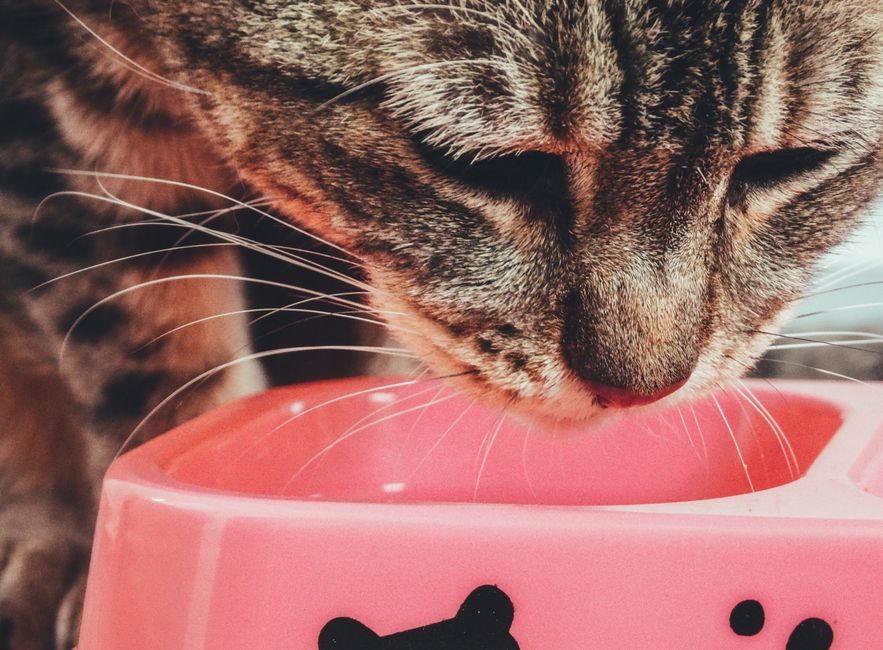
Preparing Your Home: Before bringing a new cat home, create a safe space for them to adjust. Set up a separate room with food, water, litter box, and a cozy bed. This allows the new cat to acclimate to their surroundings at their own pace.
Gradual Introduction: Introducing a new cat to existing pets should be done gradually. Allow them to sniff each other’s scents under the door and swap bedding so they can become familiar with each other’s scent. When it’s time for a face-to-face meeting, supervise their interactions closely to ensure a smooth introduction.
DIY Cat Toys
Homemade Cat Toys: Making your own cat toys can be a fun and cost-effective way to provide entertainment for your feline friend. Simple DIY toys such as a cardboard box with holes, a sock filled with catnip, or a string with a feather attached can easily capture your cat’s interest. Be sure to supervise your cat while playing with these toys to ensure their safety.
Benefits of DIY Cat Toys: DIY cat toys offer a personalized touch and can cater to your cat’s specific preferences. By creating toys yourself, you can customize them to suit your cat’s play style, whether they prefer chasing, pouncing, or batting at objects. Additionally, DIY toys can stimulate your cat’s natural instincts and provide mental and physical exercise, helping to keep them happy and healthy.
Best Cat Breeds for Families
Siamese: Siamese cats are known for their affectionate and social nature, making them great companions for families. They are highly intelligent and enjoy interactive play, making them ideal for families with children who can engage in playtime activities.
Maine Coon: Maine Coons are gentle giants known for their friendly and outgoing personalities. They are adaptable to various living situations and get along well with children and other pets. Their playful nature and affectionate demeanor make them a popular choice for families.
Indoor vs Outdoor Cats
Indoor Cats: Keeping your cat indoors can provide a safer environment, protecting them from potential dangers such as traffic, predators, and diseases. Indoor cats are less likely to get into fights with other animals, reducing the risk of injuries and infections. By keeping your cat indoors, you can also prevent them from hunting wildlife, helping to preserve the local ecosystem.
Outdoor Cats: Allowing your cat outdoor access can satisfy their natural instincts to explore and hunt. Outdoor cats may have more mental stimulation and exercise opportunities compared to indoor cats. However, outdoor cats are exposed to various risks like getting hit by cars, encountering aggressive animals, and contracting diseases. It’s important to consider your cat’s safety and well-being before deciding whether they should be allowed outdoors.