

Searching for the best pet first aid kits for home can be overwhelming, especially in times of emergency when every second counts. Not having the right supplies on hand can lead to added stress and anxiety when your furry friend needs immediate care.
Thankfully, we’ve got you covered with a curated selection of top-rated pet first aid kits designed to provide peace of mind and quick solutions for common pet injuries and emergencies. Stay prepared and keep your pet safe with these essential kits that are a must-have for every pet owner.
Top Features to Look for in a Pet First Aid Kit
Durable and Portable: When choosing a pet first aid kit, look for one that is durable and portable. This ensures that the kit can withstand rough handling and is easy to carry around, making it convenient for outdoor activities or emergencies.
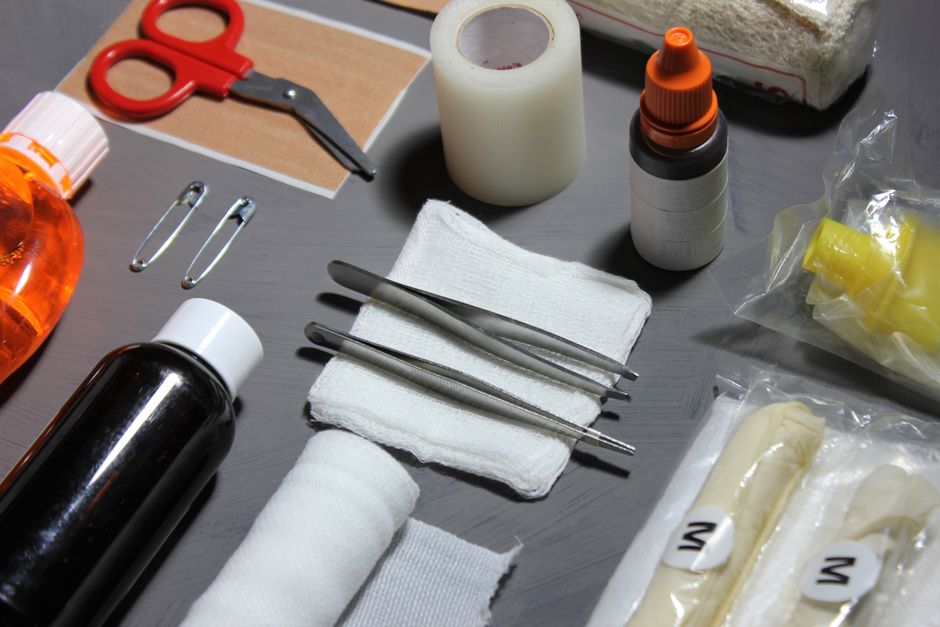
Comprehensive Content: A good pet first aid kit should include a wide range of supplies to handle various pet emergencies. Look for kits that contain items such as bandages, antiseptic wipes, gauze pads, tweezers, and gloves. Having a comprehensive kit ensures that you are prepared for different types of injuries or accidents that your pet may encounter.
Best Overall Pet First Aid Kit
When it comes to selecting the best overall pet first aid kit, it is essential to consider the quality and variety of supplies included. A top-notch pet first aid kit should contain a wide range of items to address common pet injuries and emergencies effectively.
Look for a kit that includes essentials such as bandages, gauze pads, antiseptic wipes, scissors, tweezers, and gloves. Additionally, having items like a thermal blanket, instant cold pack, and an emergency pet information card can be invaluable in critical situations. A well-equipped pet first aid kit should also come with a comprehensive guide on how to administer first aid to pets, making it easy for pet owners to provide immediate care.
Best Budget-Friendly Pet First Aid Kit
When it comes to selecting a budget-friendly pet first aid kit, it’s essential to prioritize key items that provide value without breaking the bank. Consider kits that contain basic essentials for treating minor injuries and ailments commonly experienced by pets. Look for kits that include items like bandages, antiseptic wipes, gauze pads, adhesive tape, and disposable gloves.
While cost-effective options may not include all the bells and whistles of higher-priced kits, they can still offer essential supplies to address immediate pet care needs. It’s important to assess the quality and quantity of items included in the kit to ensure they meet your pet’s potential first aid requirements while staying within your budget constraints.
Essential Items to Include in a Pet First Aid Kit
Bandages: Include a variety of bandages such as self-adhesive bandages, gauze pads, and cohesive bandages to dress wounds and control bleeding. Make sure to have different sizes to accommodate different injuries.
Antiseptic Wipes: Antiseptic wipes are essential for cleaning wounds before applying bandages. Look for wipes that are safe for pets and help prevent infections.
Scissors and Tweezers: Have a pair of sharp scissors to cut bandages and tape, as well as tweezers to remove debris such as splinters or ticks from your pet’s skin.
Instant Cold Pack: In case of injuries that cause swelling or inflammation, an instant cold pack can help reduce pain and swelling. Make sure to have a pack that does not require refrigeration.
Emergency Contact Information: Include a list of emergency contact numbers such as your veterinarian, animal poison control hotline, and nearby 24-hour veterinary clinics. Also, add your pet’s medical history and any allergies.
How to Administer First Aid to Common Pet Injuries
When it comes to administering first aid to common pet injuries, it is crucial to remain calm and act quickly. In cases of bleeding, apply direct pressure to the wound with a clean cloth or bandage to stop the bleeding. For burns, immediately flush the affected area with cool water and then cover it with a sterile bandage. In situations where a pet is choking, perform a modified Heimlich maneuver by applying firm pressure just below the rib cage to dislodge the object blocking the airway.
Fractures are another common pet injury where it is essential to stabilize the affected limb using a splint or makeshift bandage before transporting the pet to the vet. In cases of poisoning, contact a veterinarian or a poison control hotline immediately to seek guidance on inducing vomiting or administering activated charcoal. It is important to familiarize yourself with basic pet first aid techniques and have a well-equipped first aid kit on hand to effectively respond to emergencies and provide immediate care to your beloved furry companions.
Tips for Maintaining and Updating Your Pet First Aid Kit
Regular Inspection: It is crucial to routinely inspect your pet first aid kit to ensure all items are in good condition and have not expired. Check for any signs of damage or leakage in medications, and replace any used or expired items promptly.
Keep it Organized: Maintain a well-organized first aid kit by categorizing items into sections and labeling them accordingly. This will help you quickly locate the necessary supplies during an emergency and ensure nothing essential is missing.
Stay Informed: Stay updated on the latest first aid techniques and recommended supplies for pet emergencies. Attend training sessions or consult with a veterinarian to learn about new advancements in pet first aid care and adjust your kit contents accordingly.