
Does your pet get anxious and agitated during storms? The loud noises and sudden changes in weather can cause a lot of stress for our furry friends. But don’t worry, there are effective ways to keep your pet calm and comfortable during these challenging times.
One simple solution is to create a safe and cozy space for your pet to retreat to during storms. This could be a quiet room with their favorite toys and blankets, or even a snug crate where they feel secure. Providing a comforting environment can help reduce their anxiety and make them feel more at ease. By following these tips, you can help your pet stay calm and relaxed during storms, ensuring their well-being and happiness.
Creating a Safe Space for Your Pet
Designating a safe space for your pet during storms is crucial to help them feel secure and calm. Choose a quiet and enclosed area in your home, such as a closet or a room with few windows, where your pet can retreat to when they feel anxious. Make this space comfortable by adding their favorite bedding, toys, and familiar items that provide comfort. Consider using a crate or carrier if your pet feels more secure in an enclosed space.
Creating a safe space also involves minimizing exposure to external stimuli that can trigger anxiety in your pet during storms. Close windows and curtains to reduce noise and visual disturbances. Play calming music or white noise to drown out loud sounds from the storm. Additionally, provide distractions like interactive toys or treats to help redirect your pet’s focus away from the storm. By establishing a safe and comforting environment, you can help alleviate your pet’s anxiety and provide them with a sense of security during challenging weather conditions.
Using Calming Products for Pets
Calming products for pets can be a helpful tool in managing anxiety during storms. There are various options available, including pheromone diffusers, sprays, collars, and supplements. Pheromone products mimic natural chemicals released by animals to communicate and can have a calming effect on pets. These products can help reduce stress and anxiety in pets by creating a sense of familiarity and security in their environment.
Supplements such as melatonin or L-theanine are also commonly used to promote relaxation in pets. These natural ingredients can help soothe anxious pets and reduce their overall stress levels. It’s essential to consult with a veterinarian before giving any supplements to your pet to ensure they are safe and appropriate for your pet’s specific needs. When used correctly, calming products can be a valuable addition to your pet’s anxiety management plan during storms.
Implementing Behavior Training Techniques
Behavior training techniques can be effective in helping pets manage anxiety during storms. One common approach is desensitization, where the pet is gradually exposed to the stimulus that triggers anxiety in a controlled manner. This helps the pet become less reactive over time. Another technique is counterconditioning, where positive associations are created with the anxiety-inducing stimulus. For example, giving treats or engaging in playtime during a storm can help the pet associate storms with positive experiences.
Consistency is key when implementing behavior training techniques. It’s important for all family members to be on the same page and follow the training plan consistently. Patience is also crucial, as behavior change takes time. Monitoring the pet’s progress and adjusting the training as needed is essential for long-term success. Working with a professional trainer or behaviorist can provide guidance and support in implementing effective behavior training techniques tailored to your pet’s needs.
Seeking Professional Help for Severe Anxiety
Understanding when to seek professional help for your pet’s severe anxiety during storms is crucial for their well-being. If your pet’s anxiety symptoms are severe and impacting their quality of life, it may be time to consult with a veterinarian or an animal behaviorist. These professionals can conduct a thorough assessment of your pet’s behavior and recommend appropriate treatment options.
Professional help may involve medication, behavior modification techniques, or a combination of both. Veterinarians can prescribe anti-anxiety medications to help calm your pet during stormy weather. Additionally, an animal behaviorist can work with you to develop a behavior modification plan tailored to your pet’s specific needs. Seeking professional help can provide you with the support and guidance necessary to help your pet overcome severe anxiety and improve their overall well-being.
Tips for Calming Your Pet During Storms
Creating a Safe Environment: It is essential to create a safe and comfortable space for your pet during storms. This can include providing a cozy bed or blanket, playing soothing music, and ensuring the area is free from loud noises and bright lights that can exacerbate anxiety.
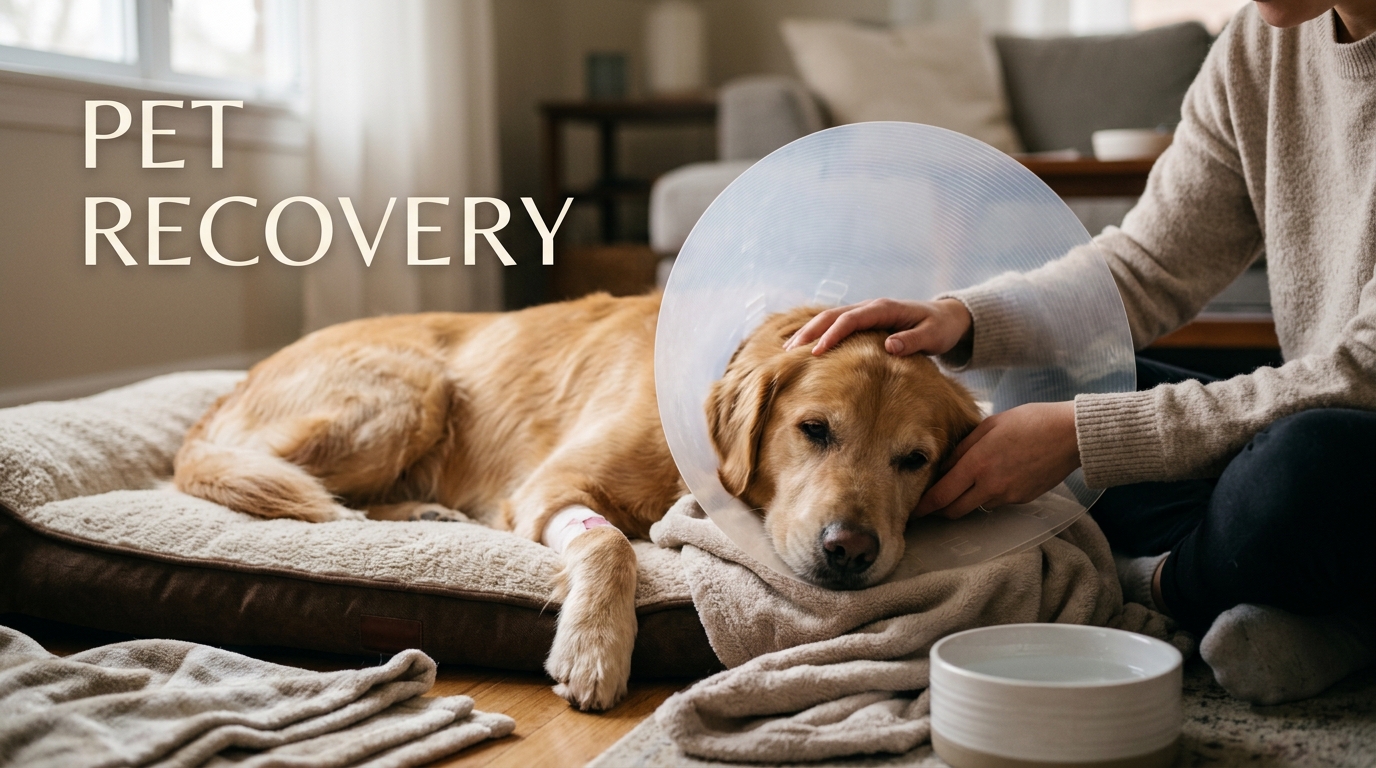
Physical Comfort: Offering physical comfort to your pet can help calm their nerves. Consider gentle petting, cuddling, or using a weighted blanket to provide a sense of security. Additionally, engaging in calming activities such as gentle play or massage can help distract your pet from the storm outside.
Monitoring Your Pet’s Behavior for Improvement
Understanding your pet’s behavior during storms is crucial for monitoring their progress and overall well-being. Pay close attention to how your pet reacts before, during, and after a storm. Look for signs of anxiety such as pacing, panting, hiding, or excessive vocalization. Note any changes in eating habits, sleeping patterns, or interactions with family members.
Keep a behavior journal to track your pet’s progress over time. Document any improvements or setbacks in their behavior. This journal can help you identify triggers, patterns, and successful interventions. Share this information with your veterinarian or animal behaviorist for further guidance on adjusting your approach to managing your pet’s anxiety during storms.