

“`html
Is your feline friend not drinking enough water? Dehydration in cats can lead to serious health issues like urinary tract problems and kidney disease. It’s a common problem that many cat owners face, but the solution is simpler than you think.
By providing your cat with fresh water in a clean bowl, encouraging them to drink more, and adding wet food to their diet, you can easily keep your cat hydrated and healthy. In this guide, we’ll share effective tips and tricks to ensure your furry companion gets the hydration they need to thrive. Say goodbye to dehydration worries and hello to a happy, healthy cat!
“`
Signs of Dehydration in Cats
Dehydration in cats can be a serious health concern that pet owners should be aware of. Cats are masters at hiding signs of illness, so it’s crucial to pay attention to subtle cues that may indicate dehydration. One common sign is decreased skin elasticity – gently lift the skin on the back of your cat’s neck, and if it doesn’t snap back into place quickly, it could be a sign of dehydration.
Another indicator of dehydration is dry and sticky gums. Healthy cats have moist gums, so if you notice that your cat’s gums are dry or sticky to the touch, it may be a sign of dehydration. Additionally, sunken eyes, lethargy, panting, and loss of appetite are all potential signs that your cat is not getting enough water. Prompt veterinary attention is crucial if you suspect your cat is dehydrated, as it can lead to serious health complications if left untreated.
Best Water Bowls for Cats
Choosing the right water bowl for your cat is essential to encourage proper hydration. There are various types of water bowls available on the market, each with its own advantages and disadvantages. Ceramic bowls are a popular choice as they are sturdy, easy to clean, and do not retain odors. Stainless steel bowls are another excellent option as they are durable, resistant to bacteria growth, and dishwasher safe. Plastic bowls should be avoided, as they can harbor bacteria and may cause chin acne in some cats. It’s important to choose a bowl that is shallow and wide enough for your cat to comfortably drink from, and to clean it regularly to ensure your cat always has access to clean, fresh water.
Another option to consider is a water fountain designed specifically for cats. These fountains provide a continuous flow of fresh water, which can entice cats to drink more. The sound of running water can also be appealing to cats, encouraging them to drink regularly. Additionally, water fountains help to keep water aerated and filtered, ensuring it stays clean and free of debris. When selecting a water fountain, look for one that is easy to disassemble and clean to maintain proper hygiene. Overall, choosing the best water bowl for your cat is crucial in promoting their hydration and overall health.
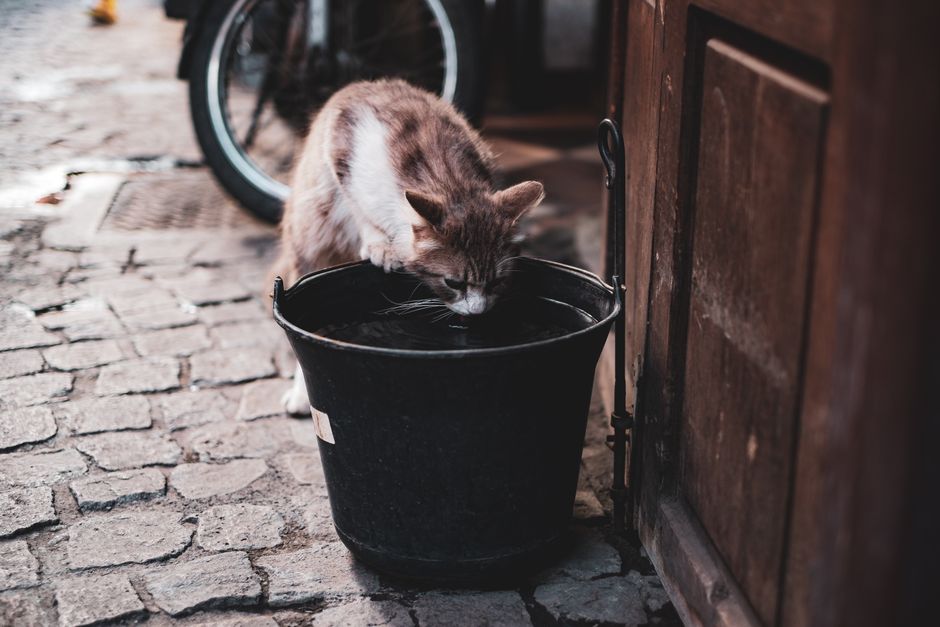
Tips to Encourage Your Cat to Drink Water
Provide Fresh Water Daily: Cats are more likely to drink water that is clean and fresh. Make sure to change your cat’s water at least once a day to encourage regular hydration.
Use a Clean Water Bowl: Keep your cat’s water bowl clean by washing it regularly with hot, soapy water. Cats are sensitive to the taste and smell of water, so a clean bowl can make a big difference in encouraging them to drink.
Try Different Water Bowls: Some cats may prefer drinking from a certain type of bowl. Experiment with ceramic, stainless steel, or even fountain-style water bowls to see which one your cat prefers.
Place Multiple Water Stations: Cats like to have options, so consider placing water bowls in different areas of your home. This can make it more convenient for your cat to access water throughout the day.
Hydrating Treats for Cats
Hydrating treats for cats are a great way to supplement their water intake while providing them with a tasty snack. These treats are specially formulated to contain high moisture content, helping to keep your cat hydrated throughout the day. Some hydrating treats are made with ingredients like tuna, salmon, or chicken broth, which are not only delicious but also enticing for cats.
Offering hydrating treats can be particularly helpful for cats who are reluctant to drink water from their bowl. By incorporating these treats into their diet, you can ensure that your cat stays properly hydrated, reducing the risk of dehydration-related health issues. Remember to provide these treats in moderation, as they should complement your cat’s overall diet rather than replace regular meals. Consult with your veterinarian to find the best hydrating treats for your feline friend based on their individual needs and preferences.
Benefits of Wet Food for Hydration
Improved Hydration: Wet cat food has a high moisture content, typically ranging from 75% to 85%, which can help keep your cat well-hydrated. Cats are known for their low thirst drive, so feeding them wet food can be an effective way to increase their daily water intake. This is especially beneficial for cats who are prone to urinary tract issues or kidney problems.
Additional Nutrients: Wet cat food not only provides essential hydration but also offers a variety of nutrients that are vital for your cat’s overall health. These nutrients include proteins, vitamins, and minerals that can contribute to a well-balanced diet. By incorporating wet food into your cat’s diet, you can ensure that they are getting the necessary nutrients while staying hydrated.
Monitoring Your Cat’s Water Intake
Monitoring your cat’s water intake is crucial to ensure they are staying hydrated and healthy. Cats are notorious for being secretive drinkers, so it’s important to pay attention to subtle signs that may indicate dehydration. Keep track of how much water your cat typically drinks in a day by measuring the water level in their bowl at the same time each day.
Additionally, observe your cat’s behavior for any changes that could signal dehydration: lethargy, dry gums, sunken eyes, and decreased skin elasticity are all signs to watch out for. If you notice any of these symptoms, it’s essential to consult your veterinarian promptly. Encouraging regular water intake through various methods and providing fresh, clean water at all times are key strategies in ensuring your cat’s hydration needs are met.