

Does your furry friend suffer from bad breath or yellowing teeth? The importance of maintaining your pet’s dental health cannot be overstated. Neglecting their teeth can lead to serious health issues down the line. But fear not, there is a simple solution to this common problem that can be done right at home.
By implementing regular dental care practices, you can ensure your pet’s teeth stay clean and healthy. From brushing techniques to dental treats, there are various ways to keep your pet’s teeth in top condition without expensive vet visits. Taking care of your pet’s dental hygiene doesn’t have to be a daunting task. With the right knowledge and tools, you can easily incorporate these habits into your daily routine, ensuring your pet’s teeth remain strong and their breath stays fresh.
Importance of Pet Dental Care
Pet dental care is crucial for maintaining the overall health and well-being of your furry companion. Just like humans, pets can suffer from dental issues such as plaque, tartar buildup, gum disease, and tooth decay. Ignoring dental care can lead to pain, infection, and even systemic health problems in pets.
Regular dental care for pets, including brushing their teeth, providing dental treats, and scheduling professional cleanings, can help prevent dental problems and maintain good oral hygiene. By taking care of your pet’s dental health, you can improve their quality of life and potentially extend their lifespan.
Signs of Dental Problems in Pets
Bad Breath: One of the most common signs of dental issues in pets is persistent bad breath. If your pet’s breath consistently has a foul odor, it may indicate dental problems such as plaque buildup or gum disease.
Changes in Eating Habits: Pay attention to any changes in your pet’s eating habits. Difficulty chewing, dropping food, or reluctance to eat hard food may be signs of dental pain or discomfort.
Excessive Drooling: Excessive drooling in pets can be a sign of oral health issues, including dental infections or periodontal disease. If you notice a sudden increase in drooling, consult your veterinarian.
Bleeding or Swollen Gums: Bleeding or swollen gums in pets are indicators of gum disease or other oral health problems. Inspect your pet’s gums regularly for any abnormalities.
Tooth Discoloration: Discoloration of teeth, such as yellowing or browning, may suggest dental issues like tartar buildup or decay. Regularly check your pet’s teeth for any changes in color.
Steps to Brush Your Pet’s Teeth
Preparing Your Pet: Before starting to brush your pet’s teeth, it is essential to get them comfortable with the process. Begin by gently touching their muzzle and lifting their lips to expose their teeth. Reward them with praise or treats to create a positive association.
Choosing the Right Tools: Use a pet-specific toothbrush or a finger brush with soft bristles. Pet toothpaste is crucial as human toothpaste can be harmful if swallowed. Avoid using your finger or a human toothbrush as they may cause discomfort or harm to your pet’s gums.
Brushing Technique: Position yourself at a comfortable angle to reach your pet’s teeth. Gently brush in a circular motion, focusing on the outer surfaces where plaque tends to accumulate. Gradually increase the brushing time as your pet gets accustomed to the routine.
Routine and Consistency: Aim to brush your pet’s teeth 2-3 times a week to maintain optimal oral health. Consistency is key in preventing plaque buildup and dental issues. Regular brushing can also help you detect any abnormalities in your pet’s mouth early on.
Dental Chews and Treats for Pets
Dental chews and treats can be a valuable addition to your pet’s oral care routine. These specially formulated products are designed to promote dental health by helping to reduce plaque and tartar buildup on your pet’s teeth. They often contain ingredients that can help freshen your pet’s breath and improve overall oral hygiene.
When selecting dental chews and treats for your pet, it’s important to choose products that are appropriate for their size and chewing habits. Look for options that are recommended by veterinarians and specifically designed to support dental health. Remember that dental chews and treats should be used as a supplement to regular brushing and professional dental cleanings, not as a replacement.
Professional Dental Care for Pets
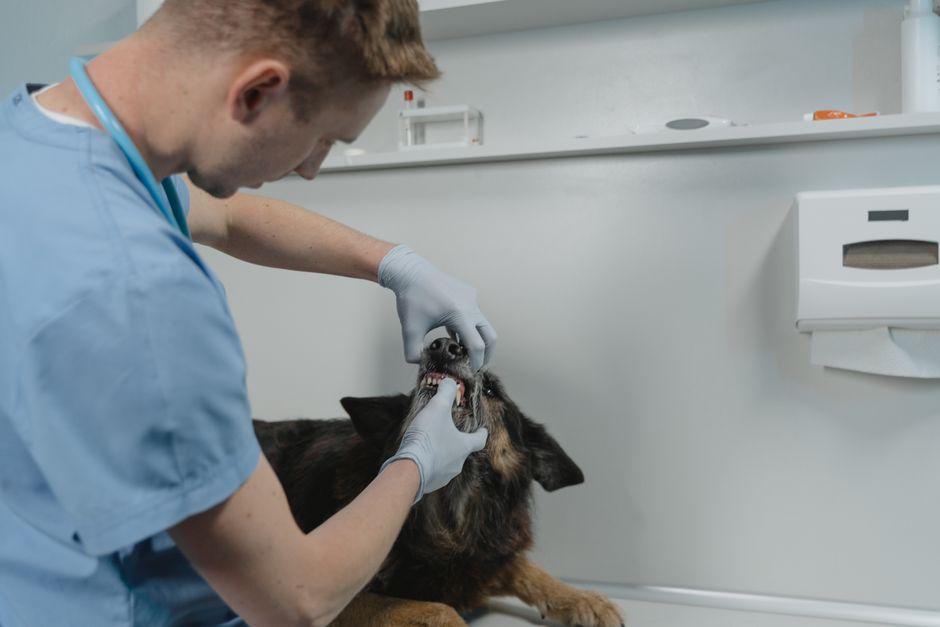
Professional dental care for pets is crucial for maintaining their oral health. Veterinarians specialize in diagnosing and treating dental issues in pets, ensuring that any problems are addressed promptly. Regular dental check-ups are recommended to monitor the health of your pet’s teeth and gums, as well as to prevent any potential issues from developing.
During a professional dental cleaning, your pet will be put under anesthesia to allow the veterinarian to thoroughly examine and clean their teeth. This procedure involves scaling to remove plaque and tartar, polishing to smoothen the tooth surfaces, and potentially extracting any damaged or diseased teeth. Professional dental care can help prevent periodontal disease, tooth decay, and other oral health problems that could impact your pet’s overall well-being.
Pet dental care is crucial for maintaining the overall health and well-being of your furry companions. By implementing regular dental hygiene practices such as brushing your pet’s teeth, providing dental chews, and scheduling professional cleanings, you can prevent dental issues and ensure your pet’s teeth and gums remain healthy.
Remember, dental problems in pets can lead to more serious health issues if left untreated. It is important to pay attention to the signs of dental problems and take proactive steps to address them. By prioritizing your pet’s dental care, you are investing in their long-term health and happiness.